
All times are displayed in Eastern Canadian Time (ET).
Register to become a VAST Member to receive the link to the VAST Google calendar and stay informed of upcoming events. Zoom links will be included in email notifications and added to the Google calendar.
Seminars and workshop series: biweekly Thursdays 12-1 PM ET.
Journal club: last Monday of each month 3-4 PM ET.
Links to available recordings of past events can be accessed via the VAST Thinkific - make an account, search for a speaker, topic, or event, enrol in the associated course, and rewatch at your convenience.
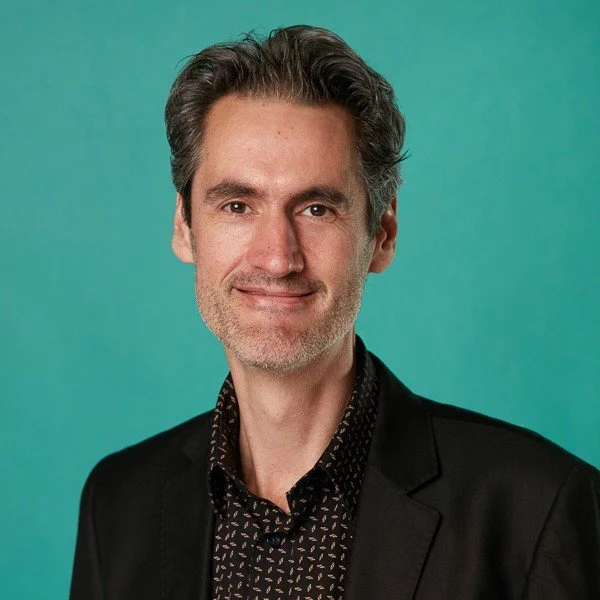
The Blood-Brain Barrier: Beyond the Barrier — Myths, Methods, and Roles in Cerebrovascular Diseases
About the Seminar: I will first introduce the blood-brain barrier (BBB) as both a physicochemical barrier and a dynamic biological interface between the periphery and the central nervous system (CNS), emphasizing its key role as a “live” organ maintaining brain homeostasis. Starting from a historical perspective, I will explore some misconception about the BBB. I will then briefly review the main approaches used to study BBB function and discuss what these techniques actually measure. Finally, I will summarize how the BBB is implicated in cerebrovascular diseases, particularly Alzheimer’s disease, and how it regulates the exchange of beneficial and potentially harmful compounds between the blood and the brain.
Relevant pre-readings: The duality of the BBB: breaking the myth of the blood-brain barrier breakdown + reviews cited therein
Learning Objectives:
Differentiate between the BBB as a physicochemical barrier versus as a dynamic biological interface.
Understand what the main experimental techniques used to study the BBB actually measure (readouts).
Recognize the key physiological functions of the BBB in regulating exchanges between the blood and the brain.
Describe how BBB dysfunction may contribute to the development and progression of neurological diseases such as Alzheimer’s disease.
About Dr. Calon: Dr. Frédéric Calon is a professor at the Faculty of Pharmacy at Université Laval and a researcher at the CHU de Québec–Université Laval Research Center. His work focuses on the mechanisms and biomarkers of neurodegenerative diseases, particularly Alzheimer’s disease (AD), with a strong emphasis on blood–brain barrier transport, metabolic factors, and lipid biology. He is the Scientific Director of CIMA-Q (Consortium for the Early Identification of Alzheimer’s Disease–Quebec), a large longitudinal cohort dedicated to improving early detection and understanding of AD. He co-leads the International Research Network (IRN) Food4BrainHealth (IRN-F4BH), focused on the links between nutrition and neurodegenerative diseases. Through translational research combining clinical cohorts, human tissue studies, and experimental in vivo models, his team aims to identify novel biomarkers and therapeutic strategies to slow or prevent neurodegenerative diseases.
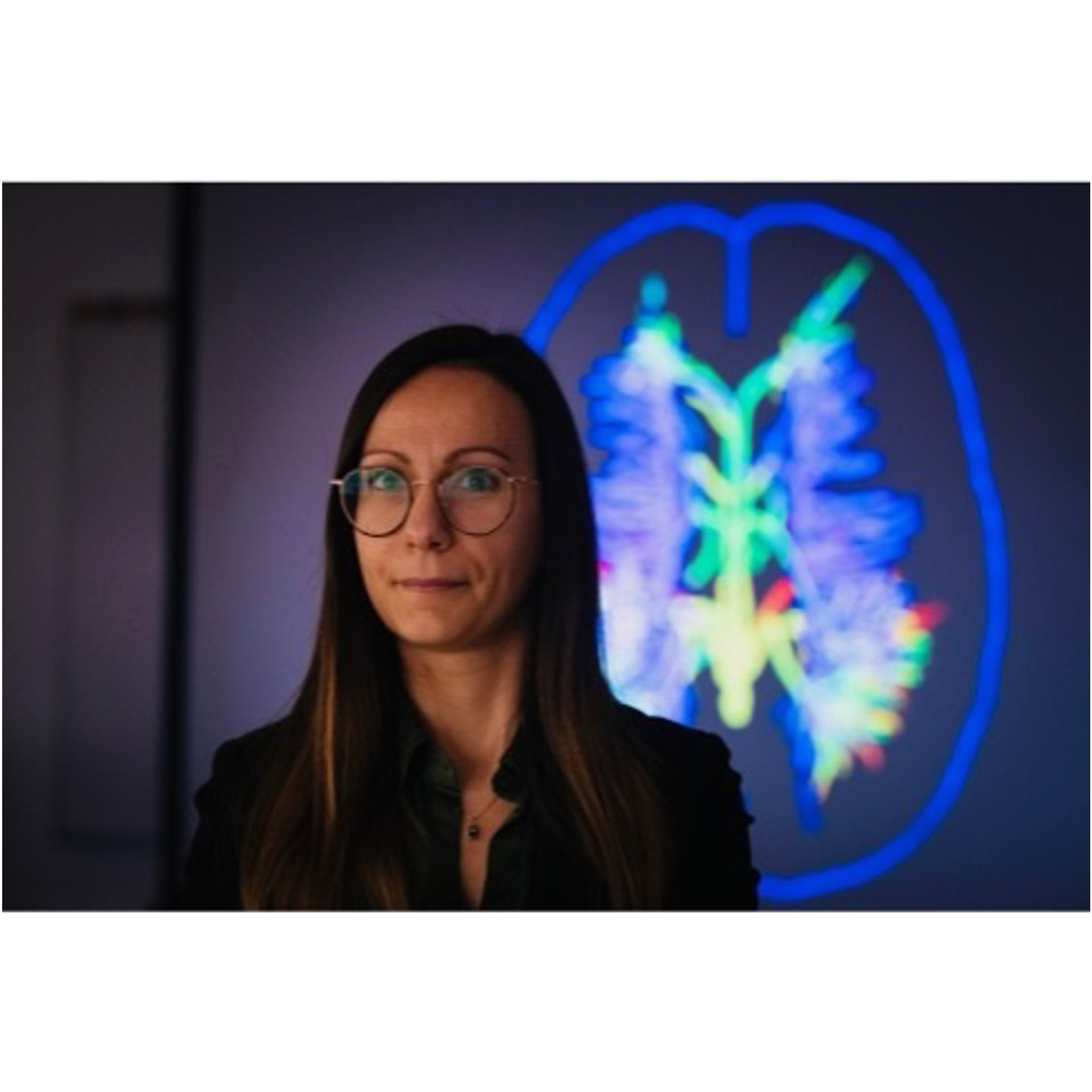
Role of cerebrovascular injury and inflammation in driving cognitive decline and Alzheimer’s disease
About the presentation: Alzheimer’s disease (AD) is increasingly recognized as a heterogeneous disorder in which vascular injury and inflammation can interact with classical AD pathologies to accelerate cognitive decline. In this talk, Dr. Ottoy will explore how vascular brain disease and brain inflammation contribute to AD progression. She will talk about biomarkers of white matter injury, cerebral blood flow, and brain network vulnerability. Using multimodal neuroimaging approaches, including PET and MRI, she will discuss how vascular and inflammatory biomarkers can help clarify the complex mechanisms underlying mixed dementia. Dr. Ottoy will also discuss ongoing work aimed at identifying early-stage biomarkers for cerebral amyloid angiopathy.
About the Speaker: Dr. Julie Ottoy is a Scientist and Assistant Professor at the Sunnybrook Research Institute and the University of Toronto. She received her PhD in Medical Sciences from the University of Antwerp in Belgium, followed by postdoctoral training at McGill University and the University of Toronto in Canada. During her PhD, she developed expertise in quantitative PET imaging of amyloid, cerebral blood flow, and neuroinflammation in Alzheimer’s disease (AD). Her postdoctoral work expanded this focus to MRI-derived biomarkers for AD and the intersection between AD and vascular brain disease.
Currently, Dr. Ottoy’s lab applies advanced neuroimaging techniques to study AD and vascular disease, with a particular focus on white matter brain networks and neuroinflammation. She also studies novel targets for small vessel disease and their interactions with AD. Her program is built on two main lines of research: (i) the immuno-vascular contributions to mixed dementia, and (ii) the role of brain networks and connectivity in driving pathology spread.
October Journal Club
All times are displayed in Eastern Canadian Time (ET).
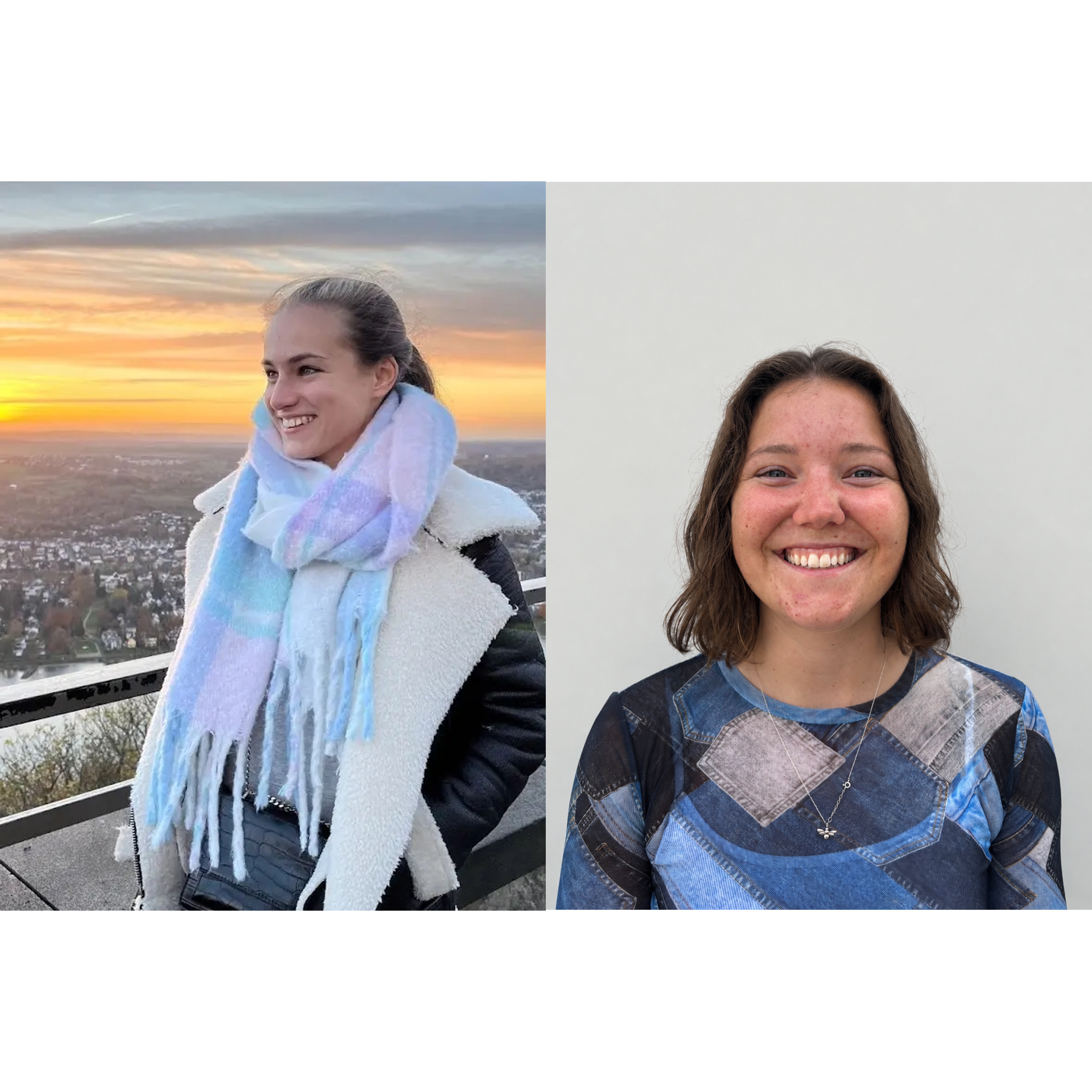
Speaker: Helena Balabin (left)
Paper: White matter tract correlations with spoken language in cerebrovascular disease
Learning Objectives:
Evaluate both the potential and limits of speech-based biomarkers for the detection of cerebrovascular disease, in particular with regards to linking speech measures to the underlying neurological basis
Learn about the methodological considerations in linking speech- and brain-based measures
Discuss possible reasons for a missing significant correlation between speech features and measures derived from white matter hyperintensity volumes
About the Speaker: Helena Balabin is a Postdoctoral Fellow at the Medical Image Processing and Machine Learning Laboratory (MIPLab) at the University of Calgary. Previously, she was an interdisciplinary PhD student and Fonds Wetenschappelijk Onderzoek (FWO) fellow at the departments of Neurosciences and Computer Science at KU Leuven in Belgium, and a visiting student at the University of Alberta & the Alberta Machine Intelligence Institute (Amii) in Edmonton, with work spanning clinical AI for dementia detection from speech, the neural mechanisms of compositional language processing, and representational alignment between AI models and human neural data.
Speaker: Meike Boerstra (right)
Talk Description: White matter hyperintensities (WMH) are a common imaging feature of cerebral small vessel disease and are associated with cognitive impairment. However, WMH burden does not always correspond closely with cognitive functioning: some individuals show cognitive impairment despite relatively mild WMH, whereas others maintain relatively preserved cognition despite severe WMH. Zeng et al. (2024) investigated whether differences in dynamic resting-state functional network connectivity may help characterize these WMH–cognition mismatches. The study examined patterns of connectivity across large-scale brain networks, their relationship with executive functioning and information processing speed, and additional markers of cerebral small vessel disease.
About the Speaker: Meike Boerstra is a first year MSc student in Clinical Psychology at the University of Calgary, supervised by Dr. Brandy Callahan. Her research interests lie at the intersection of clinical neuropsychology, cognitive aging, and neuroimaging. Her current proposed research will use resting-state functional MRI to investigate relationships between brain function and cognition in older adults with and without ADHD.
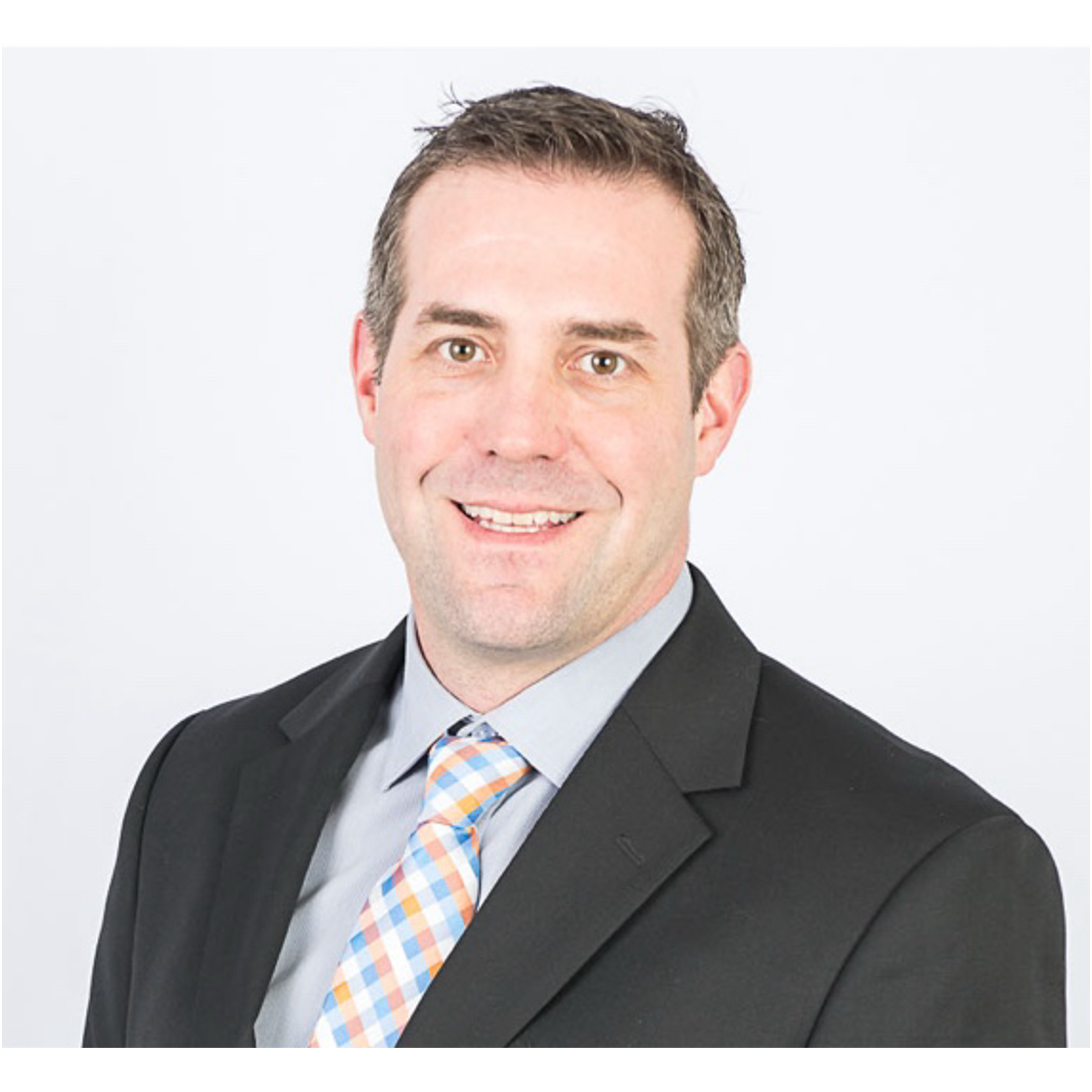
A Surprising Role for Post-Stroke Spreading Depolarizations in the Preservation of Learning and Memory
About the seminar: The seminar will present newly published data from the Thompson lab on a role for contralesional spreading depolarization in learning and memory after stroke. A new stroke model in awake freely behaving mice will be discussed as well as longitudinal changes in gene expression 1 year after stroke. These transcriptomic changes may be linked to cognitive decline.
Relevant pre-reading: Contralesional hippocampal spreading depolarization promotes functional recovery after stroke
About Dr. Thompson: Dr. Thompson is a Professor at the Hotchkiss Brain Institute at the University of Calgary. His research focusses on pannexin-1 biology as it relates to stroke, cognitive decline and physiological brain functions. He has Bachelors (Queen’s University), PhD (McMaster University) and postdoctoral (University of Colorado Health Sciences Center, University of British Columbia) experience and has been researching brain pathologies for over 20 years. His active research program focusses on identifying new molecular pathways and designing custom molecules to protect brain cells during disease.
Peer Review, Editing, and Scientific Publication: An Insider’s Perspective
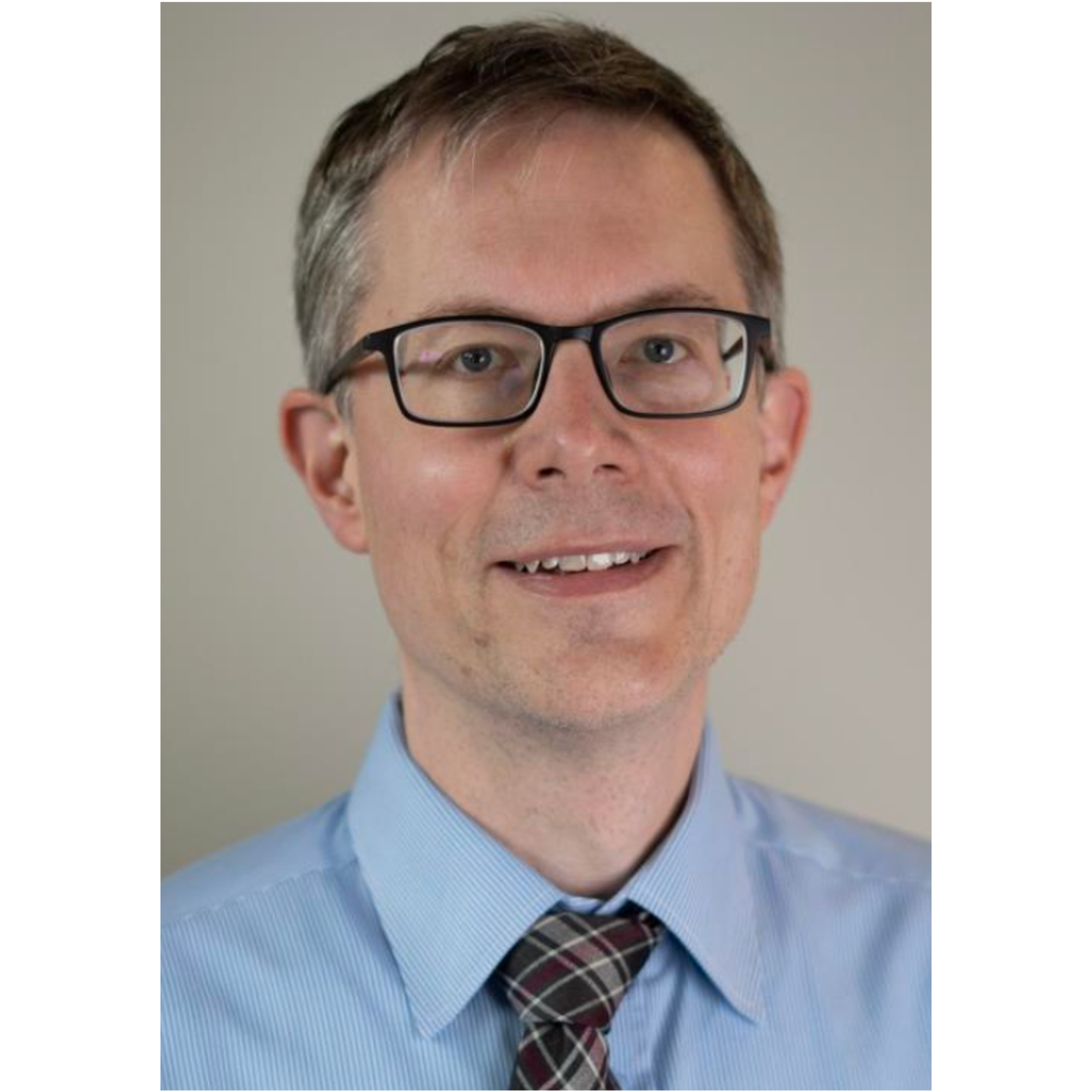
Curious about peer review, editing and scientific publication? In this workshop, Dr. Eric Smith, the Deputy Editor of Stroke, will discuss peer review and scientific publication from an insider’s perspective. Learn how journals set priorities, solicit papers, and manage peer review.
This will be an interactive workshop where we will work through the review process. Registrants will be assigned a research paper and must submit a review of the paper prior to the workshop. These reviews will be discussed during the workshop with the goal of highlighting good practices in peer review. You’ll have the opportunity to receive feedback on your review skills, and get into the nitty gritty of the review process. This is a helpful tool in considering what reviewers will be looking for in your own publications as well!
Following this workshop, registrants will have learned how journals evaluate submissions for publication and how to do a good peer review.

September Journal Club
All times are displayed in Eastern Canadian Time (ET).
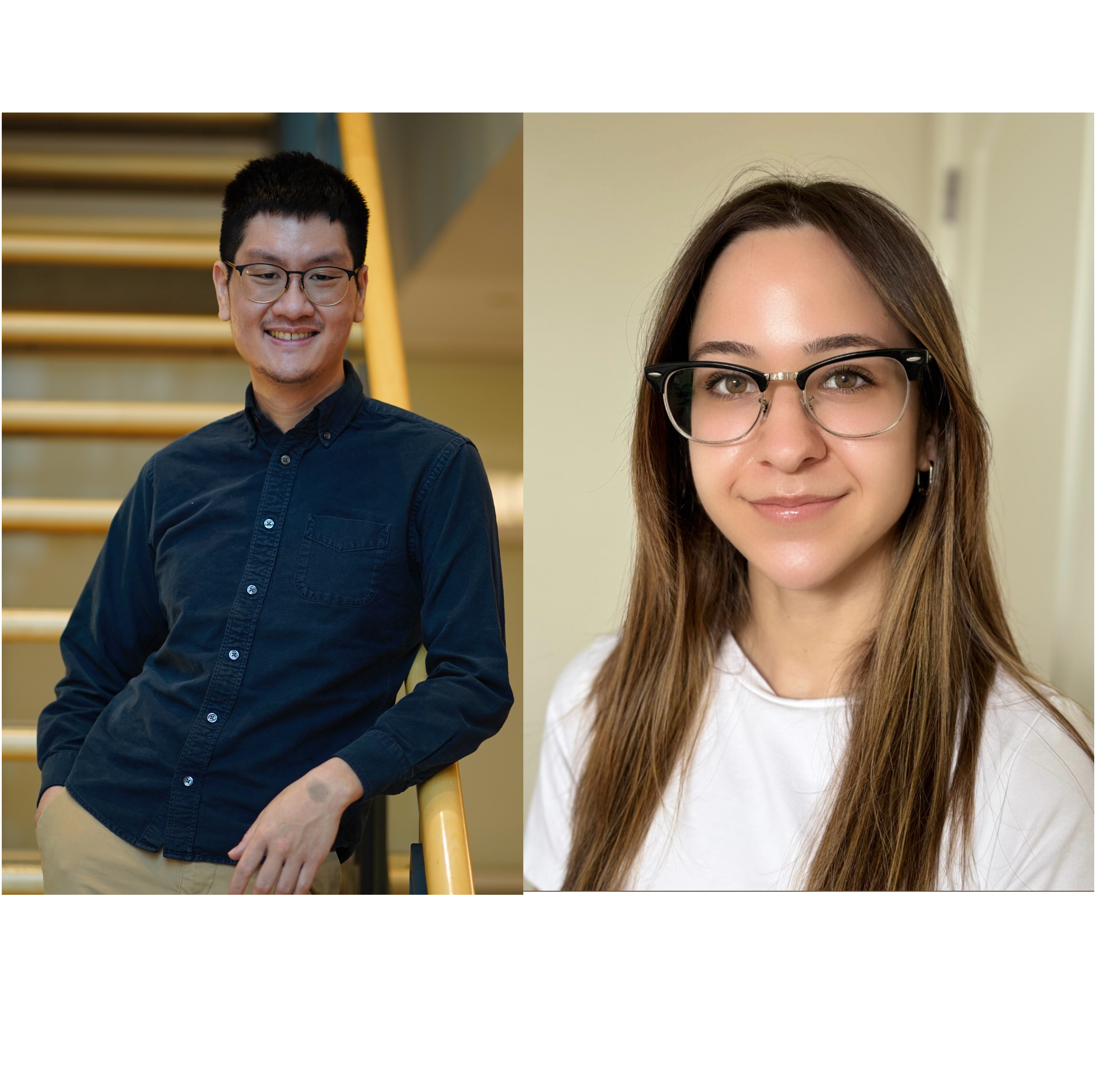
Speaker: Sajeevan Sujanthan (left)
About the Presentation: Cognitive impairment is a common yet underrecognized outcome after stroke and cardiovascular disease, and is often not assessed comprehensively in clinical trials. This presentation will discuss the need for more inclusive cognitive endpoints and introduce the MACE-Cog framework (Ganesh et al., 2026), a holistic approach designed to capture cognitive outcomes in all participants, including those unable to complete traditional cognitive testing.
Learning Objectives:
Understand why cognition is an underrepresented endpoint in stroke and cardiovascular clinical trials.
Recognize the limitations of relying solely on cognitive tests (in-person and remote).
Discuss how the MACE-Cog framework provides a more inclusive and pragmatic approach to cognitive outcome assessment
About the Speaker: Sajeevan Sujanthan is a Postdoctoral Fellow at Sunnybrook Research Institute, supervised by Dr. Richard Swartz and co-supervised by Dr. Aravind Ganesh. His research focuses on improving the assessment of cognitive outcomes after stroke and advancing the use of cognition as a meaningful endpoint in large clinical trials, with the goal of improving care for individuals living with stroke and other neurological conditions.
Speaker: Amelie Metz (right)
About the Presentation: Cerebral small vessel disease (CSVD) is a key contributor to cognitive impairment and dementia. However, most CSVD research has been conducted in cohorts from Europe and North America, with limited representation of low- and middle-income countries. This study characterizes CSVD in a large Latin American cohort by quantifying white matter hyperintensities (WMH), lacunes, and microbleeds in cognitively healthy older adults and individuals with AD or FTD. The authors further investigate associations between CSVD burden, cardiovascular risk factors, and cognitive performance, with the aim of improving the understanding of the contribution of microvascular pathology to cognitive aging and dementia in an understudied population.
About the Speaker: Amelie is a Neuroscience PhD student at McGill University, supervised by Mahsa Dadar. Her research focuses on characterizing patterns and trajectories of neurodegeneration and cerebrovascular burden across Frontotemporal Dementia (FTD) variants using structural MRI.
August Journal Club
All times are displayed in Eastern Canadian Time (ET).
Speaker: Victor Lau (left)
Paper: Ferroptosis of microglia in aging human white matter injury
Learning Objectives: In this Journal Club, Victor will be talking about a potential player involved across neurodegenerative diseases: iron-rich microglia. Victor will go over a paper with a main focus on identifying iron-rich microglia as enriched in VCID, why this arguably deserves further investigation, and explore a bit on potential mechanisms and studies to explore next in these pathology-associated cells.
Learning objectives:
Learn what microglia are, and their general roles in the brain.
Explore evidence and arguments that iron accumulation in microglia is at least associated with disease pathologies involved in VCID.
Learn about some of the methods and challenges involved with investigating microglia in humans.
Explore potential ideas and next steps investigating iron-rich microglia in VCID, from both a diagnostic and treatment approach.
About the Speaker: Victor is a PhD student co-supervised by Drs. Ali Khan and Shawn Whitehead. His projects aim to provide a proof-of-concept diagnostics for neurodegenerative diseases incorporating involvement from iron-rich microglia, starting with dementias including VCID and AD. He’d also like to build some evidence that iron-rich microglia are potential targets, via in-vitro and staining approaches.
Speaker: Sandra Zdrale (right)
Talk Description: Sandra will be discussing the use of circulating microglia-derived extracellular vesicles (EVs) as potential biomarkers of neuroinflammation following stroke. She will explore a paper investigating plasma EV signatures associated with microglial activation in an experimental stroke model, highlighting their potential as minimally invasive indicators of ongoing brain injury.
Learning Objectives:
Understand the role of microglia and their response to ischemic stroke.
Explore how extracellular vesicles can reflect microglial activation and neuroinflammatory processes.
Discuss the potential and challenges of using circulating microglial EVs as stroke biomarkers.
About the Speaker: Sandra is a PhD student supervised by Dr. Shawn Whitehead. Her projects aim to develop a multimodal prognostic approach for post-stroke cognitive impairment by integrating microglia-derived EV signatures with MRI and cognitive assessments to improve risk stratification. She aims to establish MEVs as minimally invasive biomarkers capable of capturing neuroinflammatory changes that may contribute to long-term cognitive decline after stroke.
Speaker: Chris Kang (not pictured)
Paper: A generalizable foundation model for analysis of human brain MRI
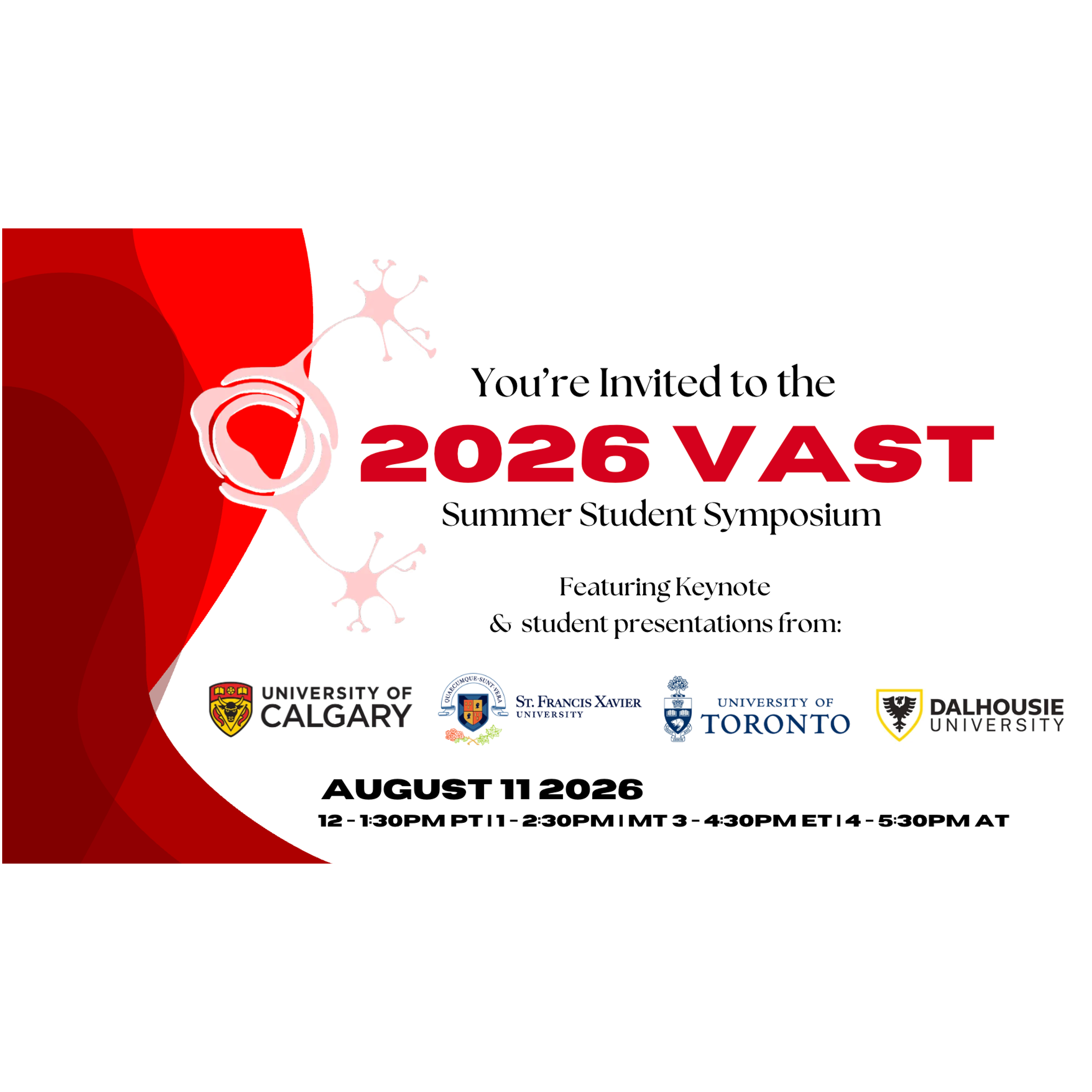
2026 VAST Summer Student Symposium
All times are displayed in Eastern Canadian Time (ET).
The VAST Summer Program encompasses a series of workshops and seminars targeted to undergraduate trainees in the field of VCI to help with overall VCI knowledge, research skills, and networking. While targeted to undergraduates, all are welcome to attend. This series is coordinated by our VAST Trainee Curriculum Committee members.
It culminates in the VAST Summer Student Symposium where the students have the opportunity to share the work that they’ve been doing over the last few months.
We are excited to have Dr. Helena Balabin join us as our keynote speaker for this year’s Summer Student Symposium. Her talk, titled "Connected Speech in Alzheimer's Disease: Towards Digital Twin Models of Vascular Modulators", starts with her work on detecting Alzheimer's disease (AD) from connected speech and extends it to speech markers of vascular cognitive impairment (VCI). It then turns to a central difficulty: the high prevalence of mixed AD and cerebrovascular pathologies, and why speech measures alone struggle to properly characterize that overlap. This challenge motivates future research on subject-level digital twins built from vision-language models, in which targeted lesions to the models simulate the effects of AD and cerebrovascular pathologies.
Helena Balabin is an incoming Postdoctoral Fellow at the Medical Image Processing and Machine Learning Laboratory (MIPLab) at the University of Calgary. Previously, she was an interdisciplinary PhD student and Fonds Wetenschappelijk Onderzoek (FWO) fellow at the departments of Neurosciences and Computer Science at KU Leuven in Belgium, and a visiting student at the University of Alberta & the Alberta Machine Intelligence Institute (Amii) in Edmonton, with work spanning clinical AI for dementia detection from speech, the neural mechanisms of compositional language processing, and representational alignment between AI models and human neural data.
View the VAST 2026 Summer Student Symposium program here.
Interested in attending? Register to be part of the VAST network via the link at the top of the page.
July Journal Club
All times are displayed in Eastern Canadian Time (ET).
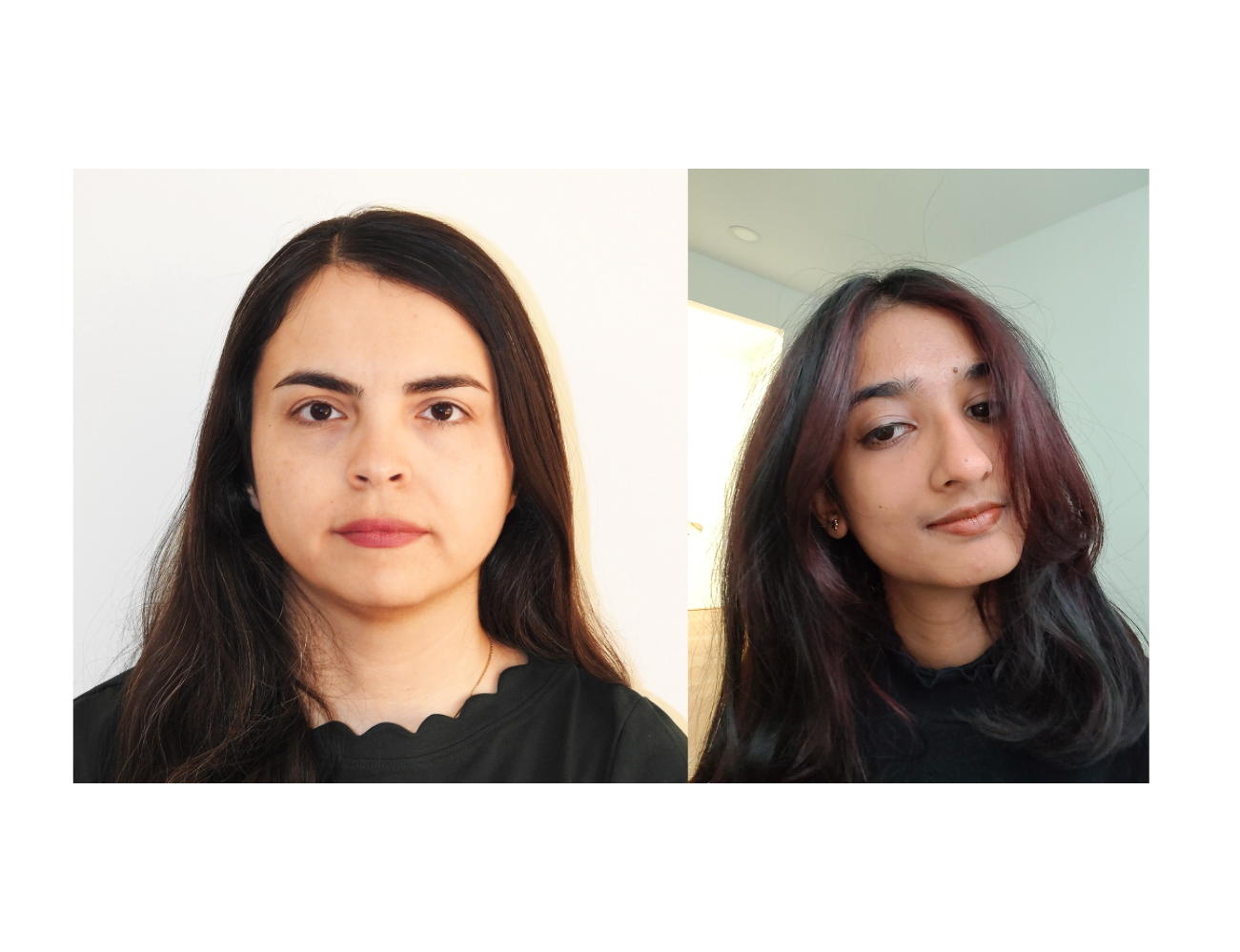
Speaker: Shima Raeesi (left)
Paper: Contribution of Modifiable Midlife and Late-Life Vascular Risk Factors to Incident Dementia
Learning Objectives: This presentation will discuss a recent prospective cohort study from the ARIC study that estimated the proportion of dementia cases attributable to hypertension, diabetes, and smoking measured in midlife and late life. Colleagues will learn how vascular risk factors contribute to dementia risk, how population attributable fractions can inform prevention strategies, and why vascular health is important for dementia prevention.
About the Speaker: Shima is a PhD student in Neuroscience at McGill University, supervised by Dr. Mahsa Dadar. Her research focuses on cognitive reserve and resilience in aging and Alzheimer’s disease, particularly the roles of education, vascular risk factors, white matter hyperintensities, and neurodegeneration.
Speaker: Anjana Menon (right)
Talk Description: The paper examines whether white matter hyperintensity burden, measured using the Fazekas score, is associated with cognitive impairment and frailty in older adults with atrial fibrillation. I will summarize the study rationale, cohort design, neuroimaging and clinical assessments, and key longitudinal findings over the two-year follow-up period. The presentation will also critically discuss the strengths and limitations of the study, including its sample size, use of clinically indicated imaging, cognitive assessment approach, and implications for understanding brain frailty in older adults with cardiovascular disease.
Learning Objectives: By the end of this presentation, attendees will be able to:
Describe the relationship between white matter hyperintensities, atrial fibrillation, cognitive impairment, and frailty in older adults.
Discuss the potential role of neuroimaging markers in risk stratification and future research on brain frailty and cognitive decline.
About the Speaker: Anjana J. Menon is a PhD student in Clinical Neuroscience at the University of Calgary, supervised by Dr. Aravind Ganesh and Dr. Eric E. Smith. Her research focuses on neuroimaging markers of brain frailty, vascular risk factors, stroke, and cognitive decline in aging populations. She has experience in clinical and cognitive neuroscience, CT and MRI-based markers of brain frailty, cognitive outcome harmonization, and evidence synthesis. Her broader research interests include understanding mechanisms that contribute to cognitive decline and developing approaches to support healthier brain aging.
June Journal Club
All times are displayed in Eastern Canadian Time (ET).
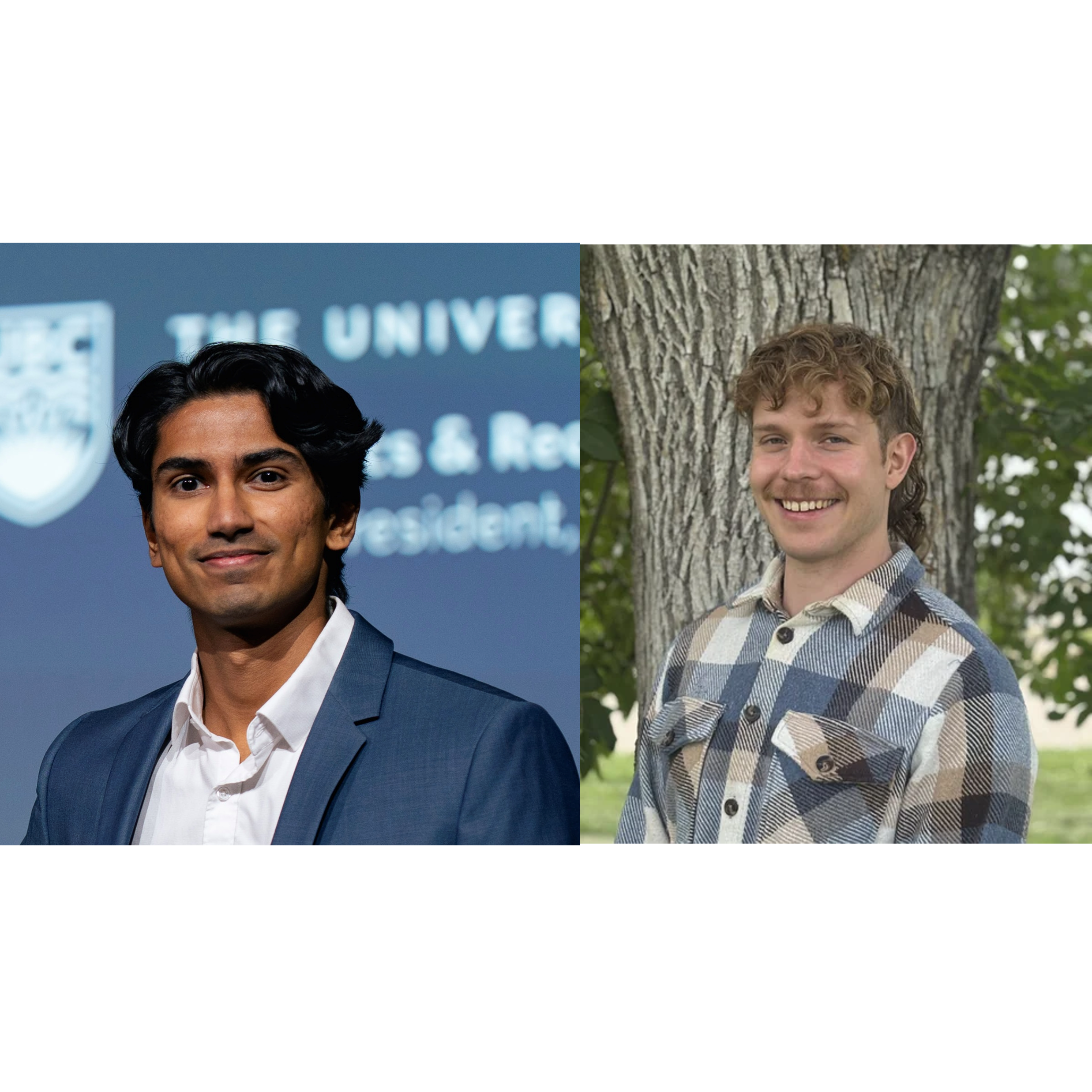
Speaker: Rahul Nair (left)
Learning Objectives: To understand which CSVD imaging markers are associated with Alzheimer’s disease and how these findings may influence our understanding of dementia pathophysiology.
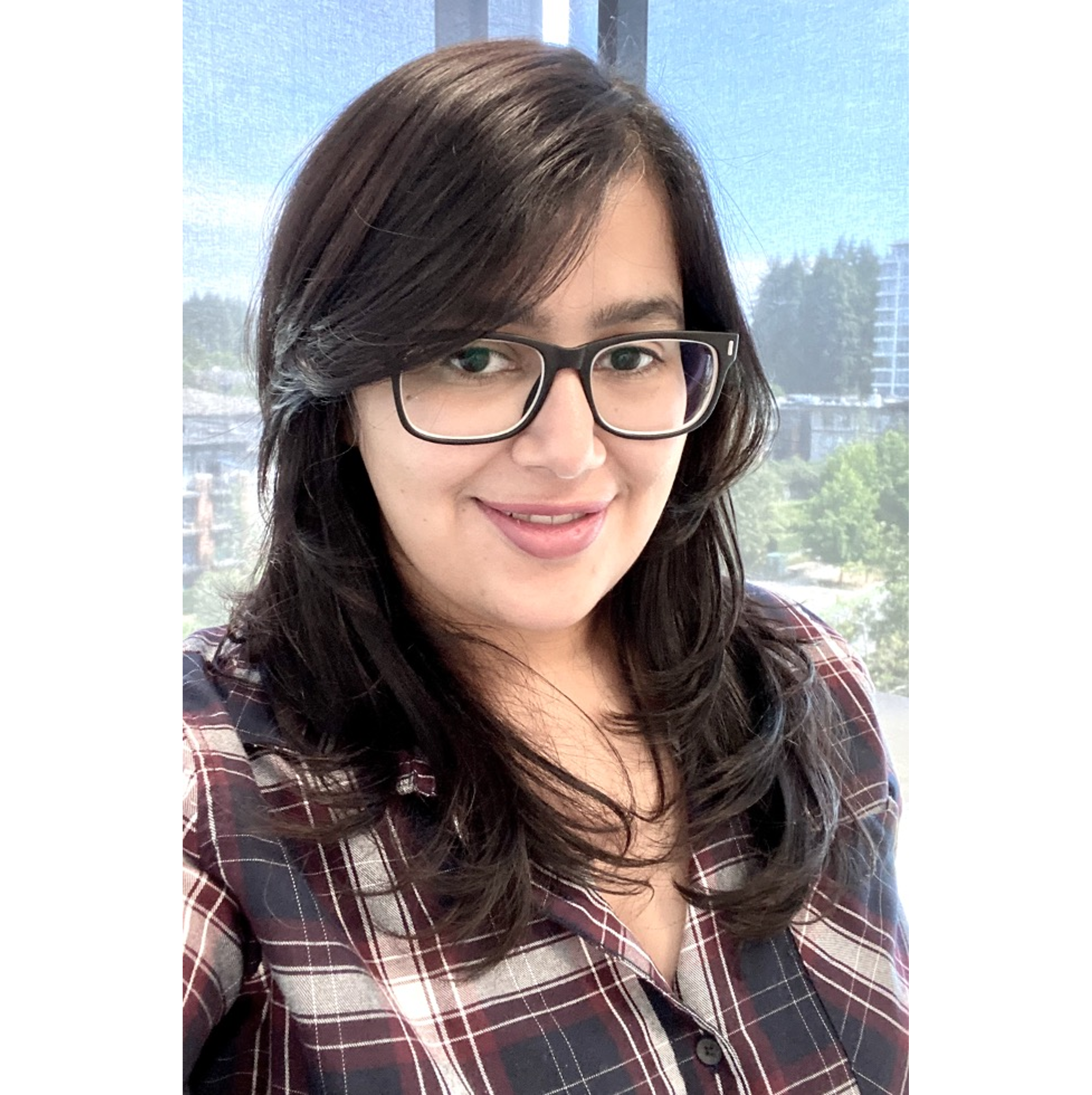
About the speaker: Rahul Nair is a first-year Master's student in Neuroscience supervised by Dr. Aravind Ganesh. His research focuses on stroke, brain frailty, and cerebral small vessel disease, leveraging large clinical neuroimaging datasets and machine learning approaches to improve the assessment of neuroimaging markers and deepen our understanding of cerebrovascular disease.
Speaker: Matt Sargent (right)
About the presentation: White matter hyperintensities (WMH) are lesions visible as bright patches on T2 and FLAIR MRI images. WMH, which are often present in older adults, are associated with adverse cognitive outcomes and may reflect underlying vascular pathology including cerebral small-vessel disease. Manually identifying and quantifying WMH is time-consuming and requires significant specialized expertise. In recent years, a variety of methods have been proposed for automatic WMH detection and segmentation. This presentation focuses on UBO Detector, an automated software for identifying vascular WMH in older adults.
About the speaker: Matt is a graduate student in Clinical Psychology at the University of Calgary, supervised by Dr. Brandy Callahan. His current research focuses on the impact of white matter hyperintensities on cognition in older adults with ADHD.
Kickstarting Your Research Journey: Crafting a Strong Academic CV
All times are displayed in Eastern Canadian Time (ET).
About the seminar: This session will discuss essentials of building a strong and effective academic CV. Participants will learn how to translate their academic experiences including coursework, research involvement, volunteering, and skills into a clear and compelling CV tailored for research opportunities, scholarships, and graduate school applications. By the end of the session, participants will leave with a better understanding of how to start or refine their academic CV and how to strategically build it as they progress through their undergraduate/postgraduate studies.
Learning Objectives:
Identify the key components of an effective academic CV
Learn how to structure them for clarity and impact
Building CV as a living document
About Mehwish: Dr. Mehwish Anwer is a postdoctoral researcher at the Djavad Mowafaghian Centre for Brain Health at the University of British Columbia, where she investigates how traumatic brain injury shapes long-term brain health and dementia risk. Her research has been recognized with competitive funding from CIHR, Michael Smith Health Research BC, the UBC Faculty of Medicine, and the Jock & Irene Graham Brain Research Endowment. She completed her PhD at the University of Eastern Finland as a Marie Skłodowska Curie Fellow. Now transitioning into an independent faculty role at University of Lethbridge, Dr. Anwer is committed to mentorship and is eager to share practical insights, challenges, and strategies with trainees preparing for academic careers.

Dementia and Substitute Decision-Making: Guidance for 2SLGBTQIA+ Communities
All times are displayed in Eastern Canadian Time (ET).
Dr. Celeste Pang delivered a seminar to VAST at the start of the year, and has shared another learning opportunity that might be of interest to VASTees wanting to explore the intersection of 2SLGBTQIA+ and dementia.
To register: https://egale.ca/free-workshops/
Join Celeste Pang, Krista James, and Egale Canada on Elder Abuse Awareness Day for a webinar on dementia and substitute decision-making in 2SLGBTQIA+ communities.
This session will explore findings from Dr. Pang’s research on 2SLGBTQIA+ aging and substitute decision-making for people facing dementia alone, alongside insights from Krista James’ extensive legal career in elder law. Participants will gain a deeper understanding of the legal and ethical considerations surrounding substitute decision-making, and learn how to better support 2SLGBTQIA+ people living with dementia — particularly those navigating dementia without family or caregiving supports.
VAST 2026 Conference
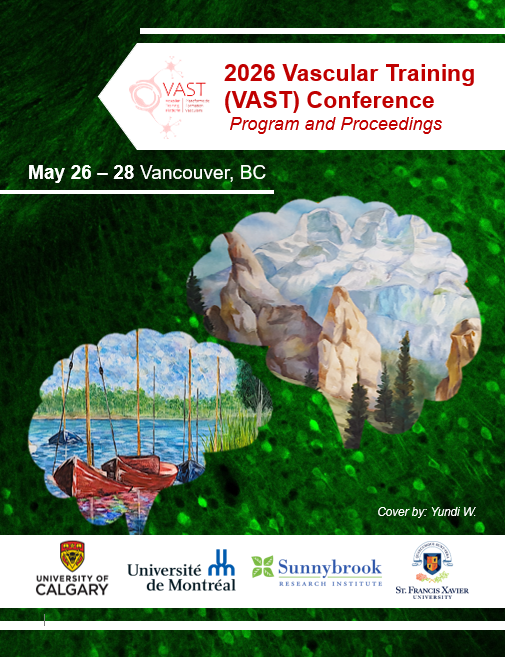
Check out the conference page for more info about this year’s conference.
Resting-State Cerebrovascular Reactivity as a Dementia Biomarker: Navigating Multi-Site Reliability and Hardware Biases
All times are displayed in Eastern Canadian Time (ET).
About the talk: This presentation explores the reliability of resting-state cerebrovascular reactivity (rs-CVR) as a promising non-invasive biomarker for tracking vascular cognitive impairment. We will discuss the findings from a longitudinal "human phantom" dataset, which analyzed functional MRI scans of a single healthy subject acquired across several sites across Canada to quantify technical variance. The session will highlight how scanner hardware introduces significant, spatially heterogeneous biases , and demonstrates why implementing study-specific harmonization is critical for ensuring the integrity of large-scale neuroimaging trials.
Learning Objectives:
Understand the role of resting-state cerebrovascular reactivity as a biomarker for early pathogenesis in dementia.
Identify how hardware-induced technical errors and scanner variations confound multi-site MRI data.
Evaluate the effectiveness of linear harmonization in reducing inter-site variance down to the intra-site physiological noise floor.
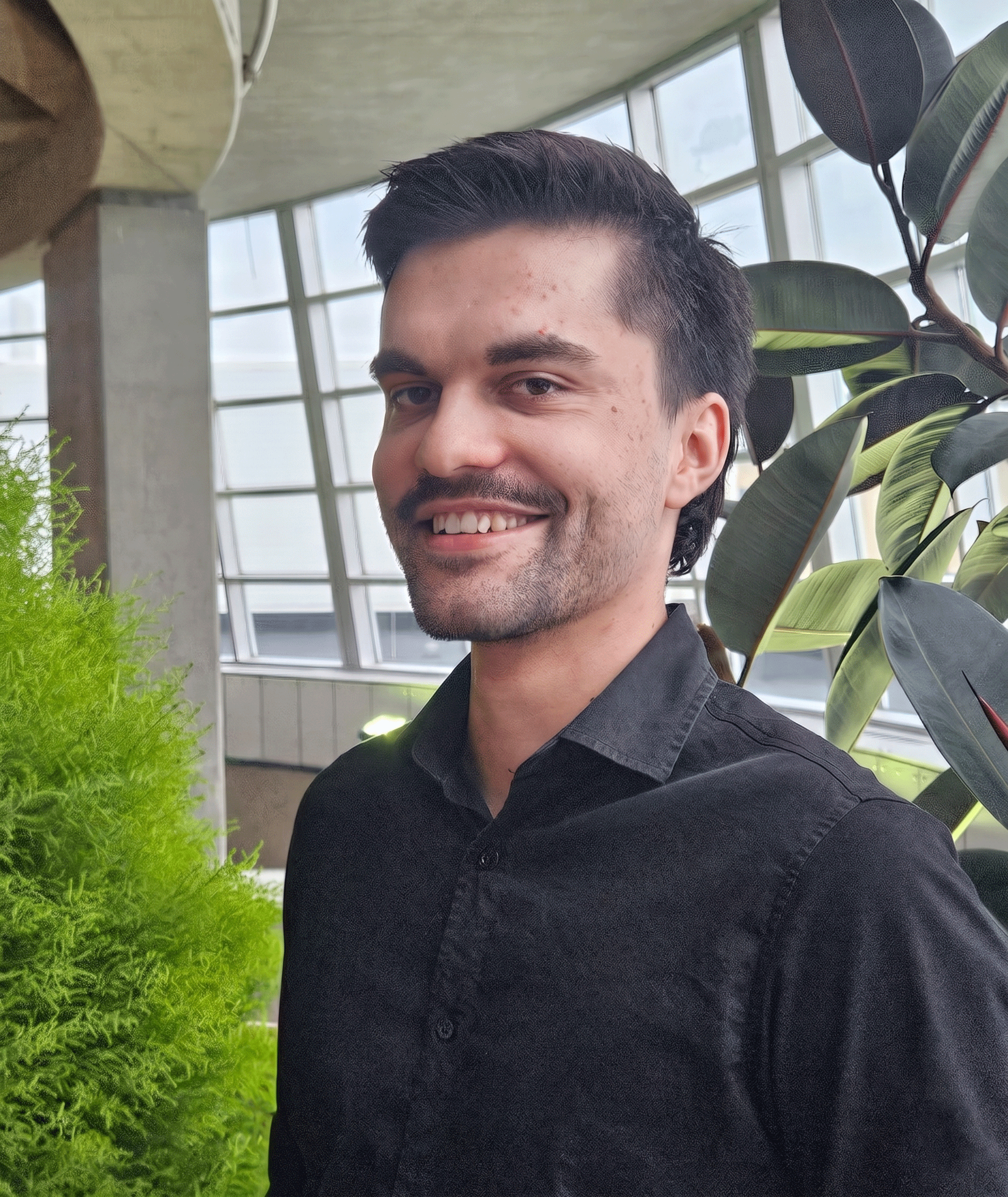
About the speaker: Rémi Lamontagne Caron is a PhD student at Université Laval specializing in neuroimaging, computational modeling, and cerebrovascular hemodynamics, with a focus on Alzheimer's disease and dementia. Using artificial intelligence, their current work explores how different vascular imaging modalities, including magnetic resonance angiography and functional MRI, can serve as early, non-invasive biomarkers for dementia.
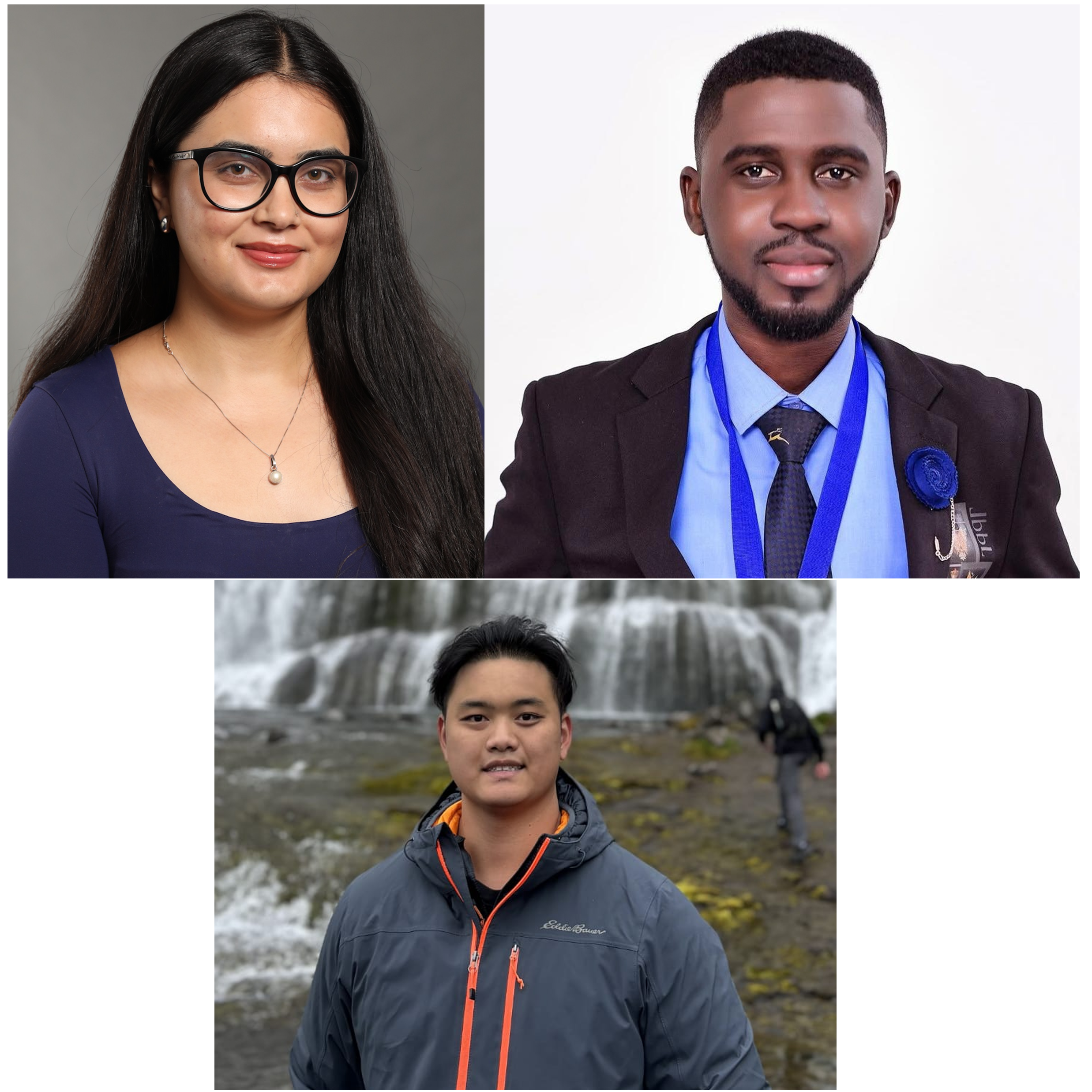
April Journal Club
All times are displayed in Eastern Canadian Time (ET).
Speaker: Ibadat Warring (Upper Left)
Paper: Risk factors of male and female Alzheimer's disease patients with neuropsychiatric symptoms
Learning Objectives: To examine sex-specific cardiovascular and metabolic risk factors associated with neuropsychiatric symptoms (NPS) in patients with Alzheimer’s disease (AD)
About the speaker: Ibadat Warring is a first-year Master of Science student in Community Health Sciences, specializing in Epidemiology. Her master’s research examines cognition, behaviour, and functional outcomes in dementia-free residents living in continuing care settings, with a focus on understanding early indicators of dementia risk.
Beyond her academic work, Ibadat is deeply committed to community engagement. She is the founder of the South Asian Senior Support Society, an organization dedicated to fostering social connection and promoting health literacy among seniors in both care homes and community settings. She has facilitated caregiver support groups with Alzheimer Calgary, volunteered in patient engagement roles with older adults, and contributed to local health initiatives aimed at improving senior well-being.
Speaker: Andrew Ijever (Upper Right)
Paper Description/Learning Objective: Obesity is a well-established risk factor for brain aging and cognitive decline across the lifespan, with one proposed manifestation being reduced cerebral blood flow. However, the underlying biological mechanisms remain poorly understood. This presentation examines a study of a rural Chinese cohort that explores whether insulin resistance may serve as a key mechanistic pathway linking adiposity to reduced cerebral blood flow.
About the speaker: Andrew is a second-year Medical Science Master’s student at the University of Calgary, supervised by Dr. Eric Smith. His research focuses on elucidating the physiological and pathological determinants of cerebral blood flow across disease and aging, and their implications for cognitive decline and brain health.
Speaker: Kaden Lam (Lower Middle)
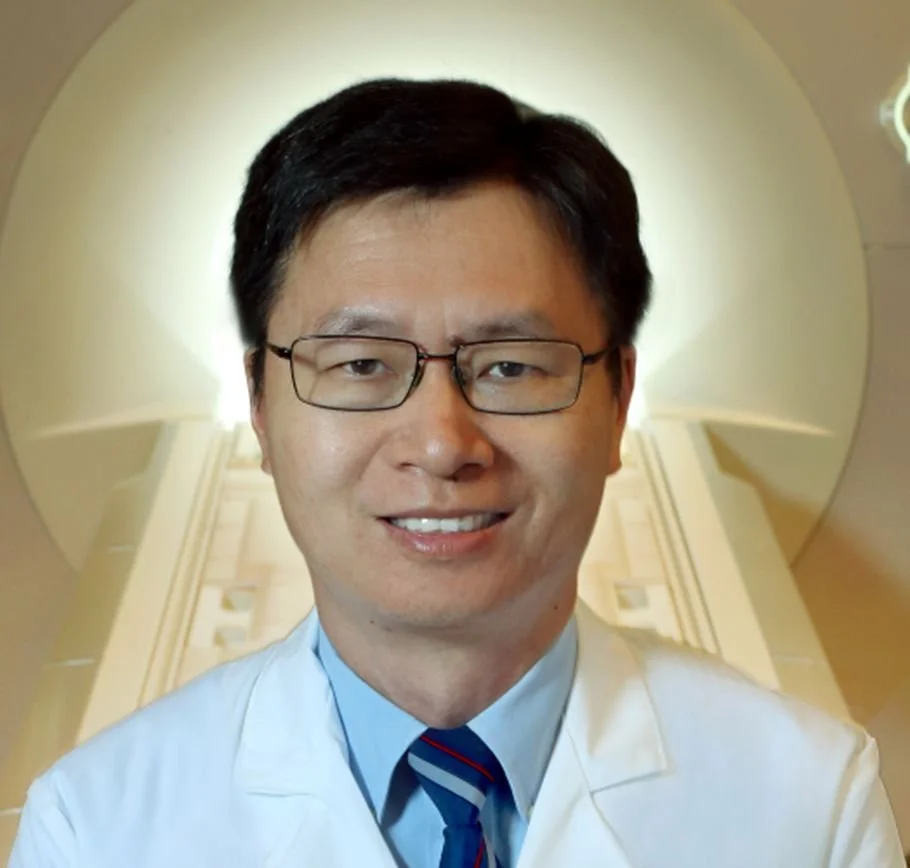
MRI Biomarkers for Vascular Cognitive Impairment and Dementia
All times are displayed in Eastern Canadian Time (ET).
Hanzhang Lu, PhD – Professor of Radiology and Radiological Science, Johns Hopkins School of Medicine
Brain imaging provides an important opportunity for diagnosis, prognosis and treatment monitoring in vascular cognitive impairment and dementia (VCID). Imaging biomarkers have evolved substantially over the past decade. Overt clinical lesions such as white matter hyperintensities and lacunar infarcts are the classic markers of small vessel disease. Microstructural damages using diffusion MRI have also demonstrated considerable potential. A recent trend is to move the biomarker development to earlier and potentially more sensitive cerebrovascular imaging assessments. The brain’s vasodilatory capacity, measured by cerebrovascular reactivity (CVR), represents an important physiological parameter of vascular health. In this talk, Dr. Hanzhang Lu discusses a potential framework of biomarkers for the classification of VCID, specifically describing CVR as a candidate biomarker in small vessel disease related VCID.
Register on the Center for Brain Health Website
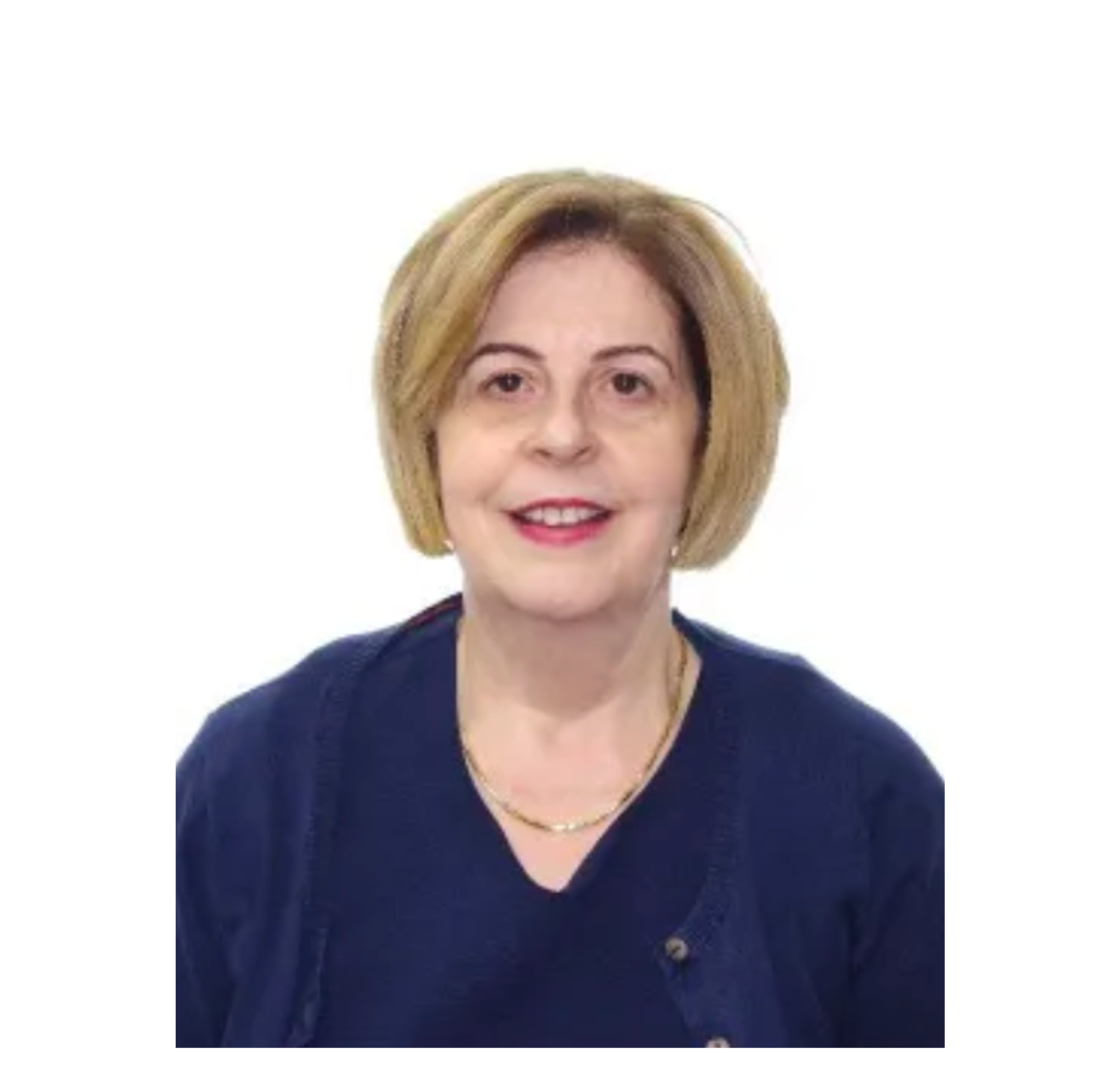
BHCare Webinar - The Role of Modfiable Risk Factors for Dementia in an Era of Anti-Amyloid Therapy
All times are displayed in Eastern Canadian Time (ET).
Register here - https://uwo.eu.qualtrics.com/jfe/form/SV_bjzOiylU1kZMBsG

First Nations and Métis understandings of dementia risk reduction: Findings from Northwestern Ontario and Alberta
All times are displayed in Eastern Canadian Time (ET).
About the Talk: Indigenous Peoples (First Nations, Métis, and Inuit) experience a higher prevalence of dementia than non-Indigenous people in Canada. Due to lasting and ongoing effects of colonization and colonial policies, Indigenous Peoples have higher rates of risk factors for dementia such as diabetes and cardiovascular disease. In 2015, the Truth and Reconciliation Commission of Canada released 94 Calls to Action urging the federal government, in partnership with Indigenous Peoples, to close these health disparities. Additionally, Canada’s National Dementia Strategy calls for additional work to improve brain health and dementia prevention resources and initiatives for Indigenous communities. Ensuring risk reduction is culturally relevant and culturally distinct is therefore an urgent priority in Canadian health systems. This webinar will discuss current scope of risk reduction, and how this can be understood within First Nation and Métis worldviews. The speakers will share research done in partnership with different communities in Canada (First Nation communities in Northwestern Ontario and Métis communities in Alberta), including what they have learned from these communities in terms of their distinct understandings of dementia, health, and risk reduction. The webinar will end with a discussion on what next steps can and will be taken to support culturally safe dementia care.
Learning objectives:
Increase knowledge around key dementia risk factors for Indigenous populations in Canada, including social determinants of health
Understand the importance of culturally distinct research and care in addressing dementia risk
Understand the current scope of risk reduction, and how this can be broadened through Indigenous perspectives
Learn about existing research and community-led initiatives focussed on dementia prevention and risk reduction for Indigenous people in Canada
Identify priority areas of future research and practice for Indigenous dementia prevention and risk reduction
About the Speakers:
Brittany Skov (she/her) (left) began her PhD in clinical psychology at Lakehead University in 2025 under the supervision of Dr. Christopher Mushquash and Dr. Jennifer Walker. She completed her MA in clinical psychology at Lakehead University (2025) and her HBSc in psychology and Indigenous Studies at the University of Victoria (2023).Brittany is originally from southern Ontario and is a member of the Mississauga’s of the Credit First Nation with Dutch, Danish, Irish, and German ancestry. Her research interests centre on prevention and reducing the risk of the incidence and progression of chronic illnesses among Indigenous populations, healthy brain aging and dementia, and community-based/led research. She is also interested in approaches to improving access to culturally safe care through education. Brittany is a Vanier scholar and supported by the Canadian Institutes of Health Research.
Shanaya von Scheel (she/her) (right) is Cree from Cowessess First Nations, and lives and works in Mokinstsis (colonially known as Calgary), on Treaty 7 territory. She is a Research Associate in Indigenous Brain Health at the University of Calgary. She holds a Master’s in Social Justice and Human Rights, and has a passion for health equity, social determinants of health, and Indigenous human rights.
March Journal Club
All times are displayed in Eastern Canadian Time (ET).
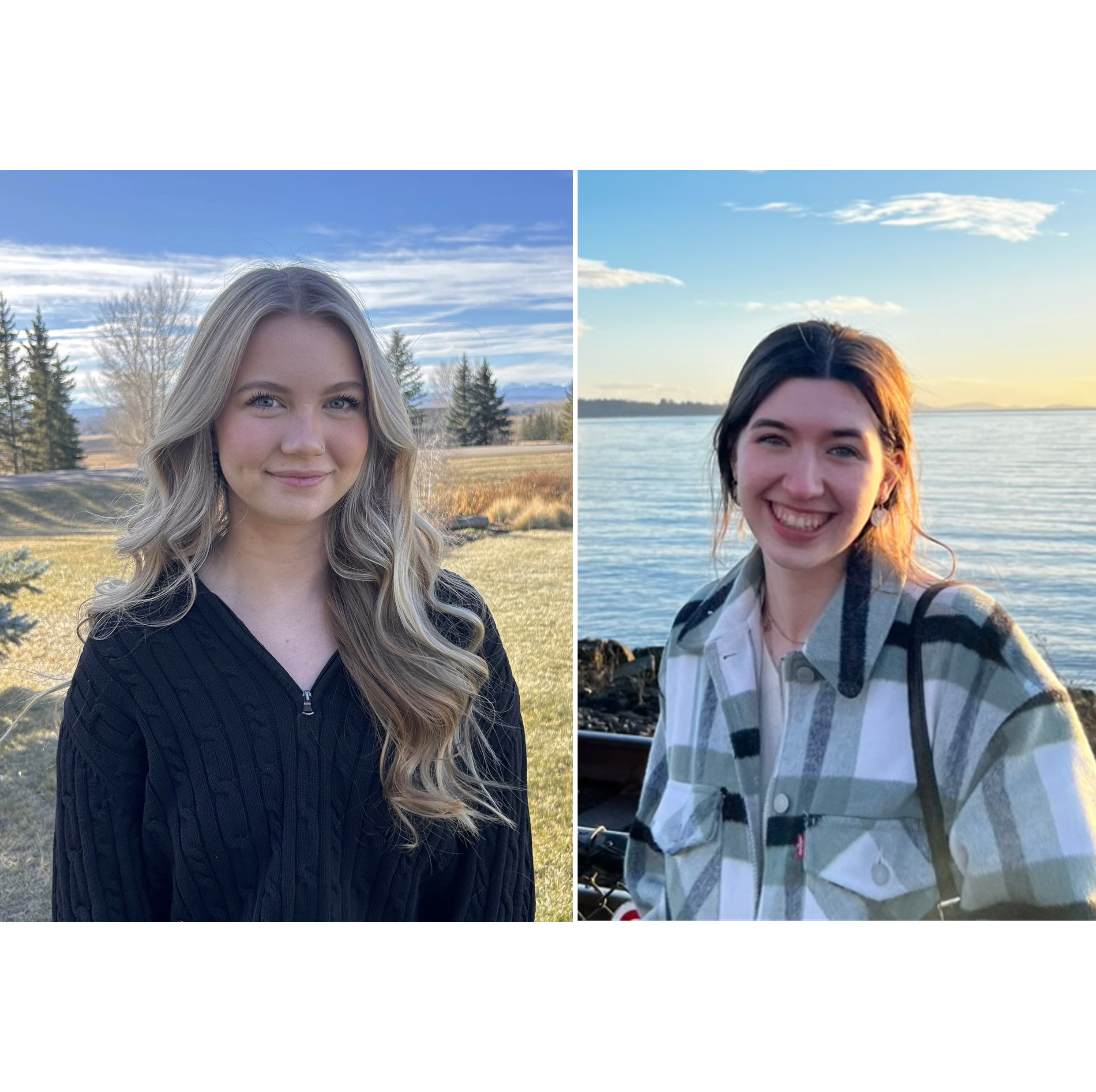
Speaker: Isabel Rea (left)
Paper:Endothelial TDP-43 depletion disrupts core blood–brain barrier pathways in neurodegeneration
Talk Description: TDP43 dysfunction is a hallmark of both ALS-FTD and AD. However, how TDP43 dysfunction can contribute to vascular, and ultimately BBB dysfunction in these diseases is not yet understood. In this presentation, I will describe and critically evaluate how Omar et al. identify disease-associated changes to endothelial cells and microglia from ALS-FTD and AD patients that are driven by a loss of nuclear TDP43.
About the Speaker: Isabel is a PhD candidate at the University of Calgary supervised by Dr. Minh Dang Nguyen and Dr. Jeff Biernaskie. Her research focuses on how the gut microbiome modulates sex differences in a mouse model of amyotrophic lateral sclerosis-frontotemporal dementia (ALS-FTD).
Speaker: Sam Coleborn (right)
Paper:Social isolation and subclinical vascular pathways to cerebrovascular disease
Talk Description: Psychosocial factors like social support are known to influence risk of cardiovascular and cerebrovascular diseases, yet the underlying mechanism through which they exert their effects remain unclear. This paper by Arcidiamcono et al. (2023) explores how social relationships are related to arterial stiffness and cerebrovascular hemodynamic pulsatility. In my presentation I will highlight the importance of psychosocial factors like social relationship quality for vascular and cognitive aging and how critically important it is to leverage such factors to promote positive health outcomes.
About the Speaker: Sam is a master’s student in psychology at the University of Victoria, supervised by Dr. Jodie Gawryluk & Dr. Stuart MacDonald. Her research explores how lifestyle factors like social connection influence brain health throughout the lifespan and is passionate about utilizing such factors to promote successful aging.

Building the BRIDGE between Research and Dementia-Friendly Communities
All times are displayed in Eastern Canadian Time (ET).
About the Talk: Given our aging Canadian population, and the increased number of older adults with dementia, it is highly likely that young people will encounter dementia, potentially within their own families, and certainly within the community. People with lived experience of dementia and informal caregivers have expressed that lack of education and stigma about dementia can lead to difficulties with engaging in community which thereby increases likelihood of social isolation. The creation of dementia friendly communities where people can feel understood, welcome and included is a major priority identified by Canadians with lived experience. BRIDGE (Broadening Relationships through Intergenerational Dementia Guidance and Education) was created in collaboration with the BC Dementia Care society and people with lived experience of dementia. The main goal of BRIDGE is to help scaffold the next generation of inclusive communities for individuals living with all types of dementia by engaging high school students. Broadly, this project aims to (1) understand the level of knowledge of dementia-related knowledge in high school students, (2) determine whether adapted tools (i.e., the UK Dementia-Friendly Generation and Flipping Stigma Toolkits) will be effective in educating about dementia-friendly communities and reducing stigma, and (3) determine community-based outcomes of providing dementia-friendly education to youth.
Learning Objectives:
Learn about research priorities of people with lived experience and explore gaps in dementia-related research
Learn about dementia friendly communities
Discover and learn about a community-involved research project (BRIDGE) aimed at fulfilling these gaps within the community
About the Speakers:
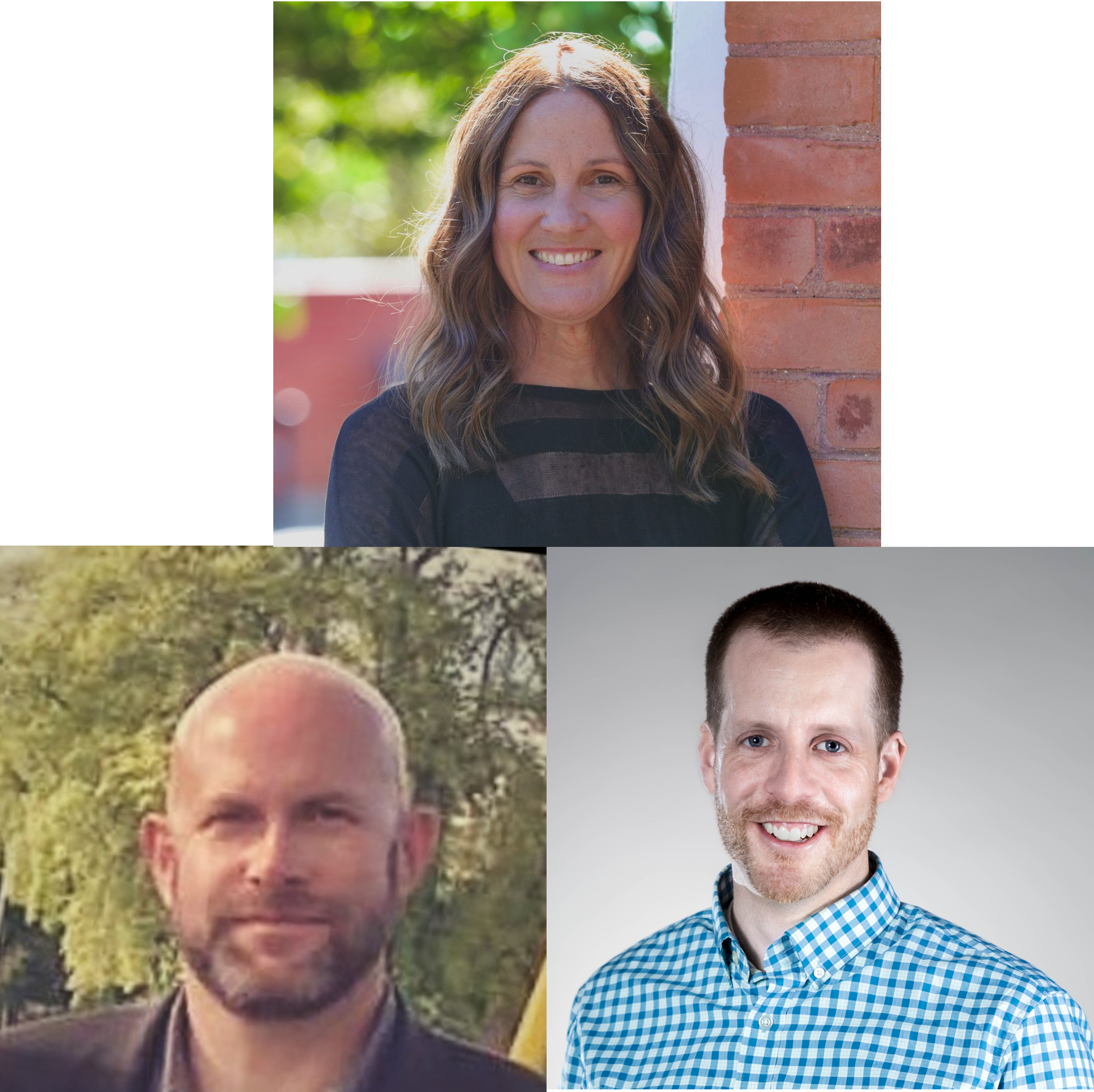
Dr. Jodie Gawryluk (left) a Clinical Neuropsychologist and Associate Professor in the Department of Psychology, cross-appointed in the Division of Medical Sciences, and Director at the Institute on Aging and Lifelong Health at the University of Victoria. Dr. Gawryluk’s research using neuropsychological and neuroimaging approaches to understand both healthy aging and neurodegenerative conditions. As part of the CARING Dementia Collaborative, she is also involved in research that helps communities become more age and dementia inclusive.
Bhavana Gill (right) is a first-year Masters student at the University of Victoria, where she is studying Clinical Neuropsychology under the supervision of Dr. Jodie Gawryluk. Broadly, her research focuses on improving diagnosis, intervention, and care for individuals with neurodegenerative conditions. Specifically, Bhavana has focused her training on understanding various aspects of dementia as well as exploring how to improve outcomes for individuals living with dementia. Bhavana is passionate about knowledge translation and hopes to integrate research and community-based work with the BRIDGE project.
VAST Non-Academic Career Panel
There’s a plethora of careers out there, some of which you might not even be aware of. You might be interested in continuing further academic training in pursuit of a career in academia, or you might be interested in exploring opportunities outside of the university. Tune in to hear about some career paths that could follow your academic pursuits. There are no right answers, but lots of options – how exciting!
VAST has assembled a panel that has offered to shed some light on their own career journeys, and maybe you’ll take away some learnings that will inform your own career trajectory.
Learn more about each of our panelists below:
-
About Suzanne: Suzanne combines her technical background in Neuroscience with nearly 20 years of Intellectual Property experience to effectively develop and manage her clients’ IP assets.
As a registered patent and trademark agent, Suzanne provides clients with legal opinions on patentability, trademark registration, freedom-to-operate, due diligence analysis, and IP portfolio management. Suzanne’s clients include a broad range of early-stage and established companies and post-secondary institutions.
Suzanne grew up in Lethbridge and attended the University of Lethbridge, earning a Bachelor of Science in Neuroscience. After completing her Ph.D. in Neuroscience at the University of Alberta, Suzanne attended law school at the U of A with an aim to practice intellectual property, bridging the gap between the scientific and legal spheres.
About Anova: At Anova Law Group, we engage with innovators and businesses at every stage of their intellectual property journey. Whether developing your first invention, managing a growing portfolio, or protecting your assets in an evolving market, our team is here to help navigate the legal steps every step of the way.
-
About Shawn: Shawn Davison is an Associate Director of Medical Writing within the Regulatory Affairs team at AbCellera Biologics. He previously held roles as a clinical scientist/writer/statistician in academic, consulting, and industry settings and has been active in the clinical science space for more than 30 years. Shawn lives in Vancouver, BC and loves exercise and the outdoors.
About ABCellera: AbCellera is a clinical-stage biotechnology company focused on discovering and developing antibody-based medicines in the areas of endocrinology, women’s health, immunology, and oncology.
-
About Craig: Craig Doram is the co-founder and CEO of Stroke.AI Inc. He is also the Director of Business Operations for the Calgary Stroke Program and its Stroke Clinical Trials Group at the UofC. He is an engineer, climber, coffee snob, x-coffee roaster, x-climbing gym owner, and generally just a crazy human who likes disrupting things.
About Stroke.AI: Stroke.ai has a mission to improve lives by transforming the technology of monitoring body movement. We are developing a clinically validated IoT solution utilizing proprietary hardware and a machine learning enabled platform for use in stroke
CCNA’s Talking Brains webinar series ft. EPLED
VAST has been fortunate enough to work with and learn from the EPLED team and members of the EPLED Advisory Group. Information on the session is below and you can register to attend here.
A co-developed evaluation framework for a patient engagement program within a national research network
Speakers: Mastoora Rizai (EPLED practicum student), Karen Myers Barnett (EPLED Advisory Group member), Linda Grossman (EPLED Advisory Group alumna), and Ellen Snowball (EPLED program manager)
While there is growing consensus on the importance of engaging people with lived experience in research (i.e., patient engagement or patient involvement), less is known of the best approaches to evaluating these initiatives. Without evaluation, efforts to assess the impact or improve practice are limited, risking not only failing to achieve intended benefits but potentially having negative effects (e.g., research waste, experiences of tokenism). In this webinar, presenters will describe the co-development of a tailored evaluation framework for Engagement of People with Lived Experience of Dementia (EPLED), a CCNA program and Advisory Group composed of people with lived experience (i.e., people living with dementia, family and current or former caregivers/care partners), recruited from across Canada, to be engaged in research. This webinar will provide participants with an understanding of participatory evaluation and an example of applying a flexible process for co-developing an evaluation framework in the context of the CCNA’s EPLED program.

February Journal Club
Speaker: Caroline Dallaire-Théroux, PhD (Top Left)
Paper: Revised Diagnostic Criteria for Vascular Cognitive Impairment and Dementia-The VasCog-2-WSO Criteria
About the Speaker: Caroline Dallaire-Théroux is a newly graduated neurologist and postdoctoral fellow at Université Laval, with a research focus on radiological and serum biomarkers in age-related neurocognitive disorders. She has a particular interest in vascular etiologies of cognitive decline, such as cerebral small vessel diseases. She will soon pursue further training in Cognitive Neurology at University of Calgary, specializing in cerebral amyloid angiopathy and vascular cognitive impairment.
Speaker: Jasper Crockford (Top Right)
Paper: Reproductive hormones in relation to white matter hyperintensity volumes among midlife women
Talk Description: Reproductive hormones have been implicated in risk of cerebral small vessel disease in females, yet the specific relationships between circulating reproductive hormones and white matter hyperintensities (WMH) remain underexplored. In this talk, I will present findings from Thurston et al. (2024), which examined associations between steroid hormones –estradiol, estrone, and follicle-stimulating hormone– and WMH volume in females from the MsBrain study. The goal of this presentation is to highlight potential hormonal contributors to cerebrovascular brain aging in females during mid- to late life.
About the Speaker: Jasper is a second-year Medical Science master’s student in the joint MSc/MD Leaders in Medicine program at the University of Calgary, supervised by Dr. Zahinoor Ismail. Her research focuses on how menopause-related factors –including reproductive hormones, symptom burden, and menopause hormone therapy use– are associated with biological and clinical markers of Alzheimer disease.
Speaker: Akshan Bansal (Bottom Middle)
Talk Description: The papers finds an integrated solution across biomarkers of WM integrity (white matter hyperintensities (WMH), polygenic risk scores (PRS) for mean diffusivity (MD), fractional anisotropy (FA)) obtained with T1 magnetic resonance imaging (MRI), RNA methylation of Cytosine-Guanine pairs, and expressional change in gene sequences with functional test scores on STR-LTS and Stroop for a cross-sectional healthy aging cohort.
The aim of the presentation is to take attendees through a research framework utilizing neuroimaging, neuropsychological assessment, statistical data analysis, and machine learning classification (sPLS-DA).

Speak Startup: Mastering the Lingo of the Innovation Ecosystem
This workshop is presented by the Centre for Aging + Brain Health Innovation (CABHI)’s Science Collaborative (CSC). If you are interested in attending, then you must sign up as a member of the CSC at the link.
Workshop Details:
Think of the innovation ecosystem as a different field of study with its own nomenclature. This workshop is designed to translate complex business terms—like Pivot, MVP, and De-risking—into a framework that makes sense to the scientific mind. We will explore the commercialization journey through short, interactive sprints, helping you connect your research milestones to the metrics that stakeholders in the Innovation Ecosystem care about most.
About the speaker
Ana Fernandez, PhD, is a Program Manager at CABHI in Montreal, QC, where she manages the programs that identify, fund, and accelerate the most promising startups in the aging and brain health space. Ana leads programs that provide critical funding and strategic guidance to innovators. Her work is centred on ensuring that groundbreaking research in aging and brain health successfully navigates the path from validation to sustainable business growth.
With over six years of experience in the Canadian innovation ecosystem, Ana’s expertise spans the full commercialization spectrum—from early-stage incubation to strategic investment. Before joining CABHI, she played a pivotal role at D3 Innovation Hub, where she helped scientists and students transform research into scalable startups. Having spent years in research herself, Ana brings a unique "insider" perspective to the challenges of translational science.

AI in Medicine: From Science to Application
Speaker: Dr. Nils Daniel Forkert, PhD
About the talk: Artificial intelligence (AI) is expected to be a key tool for converting big data into tangible benefits in this increasingly data-driven world. Healthcare is no exception to this. The increased availability of diagnostic tools and techniques has increased the amount of medical data acquired and available for a single patient as well as at the population level. However, the sheer amount of data can be challenging and time-consuming to analyze. Supervised machine learning (ML) has great potential to augment clinical decision-making, alleviate the clinical burden, and promote precision in healthcare delivery. Despite the promise of ML to improve patient care and support medical doctors with complicated cases, the reality is that only a limited number of methods developed in the research domain are available and approved for clinical use today. In this talk, I will discuss some of the main barriers preventing a clinical application of AI for routine clinical use and present promising solutions to overcome current problems.
About the Speaker: Dr. Nils Daniel Forkert, PhD (h-index 49, citations 8900), is a Professor at the University of Calgary in the Departments of Radiology, Clinical Neurosciences, and Electrical and Software Engineering. He received his German diploma in Computer Science in 2009 from the University of Hamburg, his master’s degree in medical physics in 2012 from the Technical University of Kaiserslautern, his PhD in computer science in 2013 from the University of Hamburg, and completed a postdoctoral fellowship at Stanford University before joining the University of Calgary as an Assistant Professor in 2014. He is an imaging and machine learning scientist who develops new image processing methods, predictive algorithms, and software tools for the analysis of medical data. This includes the extraction of clinically relevant parameters and biomarkers from medical data describing the morphology and function of organs with the aim of supporting clinical studies and preclinical research as well as developing computer-aided diagnosis and patient-specific, precision-medicine, prediction models using machine learning based on multi-modal medical data. Dr. Forkert is a Canada Research Chair (Tier 2) in Medical Image Analysis, and Director of the Child Health Data Science Program of the Alberta Children's Hospital Research Institute as well as the Theme Lead for Machine Learning in Neuroscience of the Hotchkiss Brain Institute at the University of Calgary. He has published over 230 peer-reviewed manuscripts, over 100 full-length proceedings papers, 1 book, and 2 book chapters. He has received major funding from the Canadian Institutes of Health Research (CIHR), Natural Sciences and Engineering Research Council, the Heart and Stroke Foundation, Calgary Foundation, and the National Institutes of Health as a PI or co-PI. He currently supervises six postdoctoral fellows, two PhD students, and seven MSc students demonstrating his dedication to training the next generation of data science researchers.
Key Issues Facing 2SLGBTQIA+ People Living with Dementia and Their Carers
This presentation will draw on published and emerging research to explore key issues facing 2SLGBTQIA+ people living with dementia and their carers. This includes issues related to recognition of identity and relationships, navigating healthcare access, identifying support networks and substitute decision-makers, and the impacts of cis-heteronormativity on gender affirming care.
Learning Objectives:
1. Learn about the specific challenges faced by 2SLGBTQIA+ people living with dementia and their carers through an LGBTQ-affirmative lens.
2. Increase knowledge of promising practices to support 2SLGBTQIA+ people living with dementia.
3. Identify profession & workplace-specific areas for advocacy and practice change
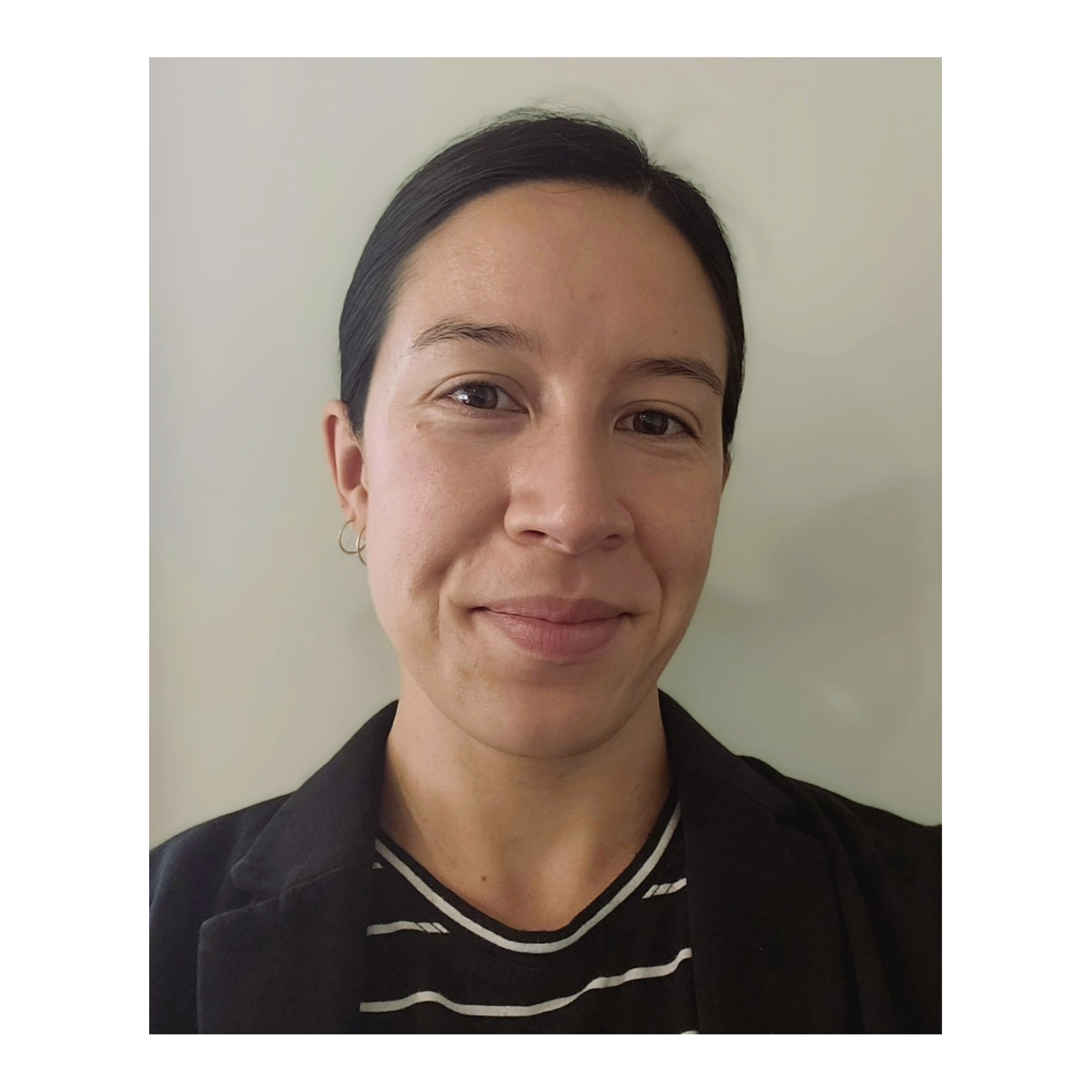
About the speaker: Dr. Celeste Pang is an Assistant Professor in Women's and Gender Studies in the Department of Humanities at Mount Royal University. Her research, education, and community work focuses on aging, disability, and care access and equity, with significant focus on 2SLGBTQIA+ issues. This includes research on dementia and unpaid caregiving, consent and capacity in substitute decision-making, and on homecare and long-term care.
Before joining MRU Celeste completed a PhD and Postdoctoral Fellowship in the Department of Anthropology at the University of Toronto, and worked as a community-based researcher.
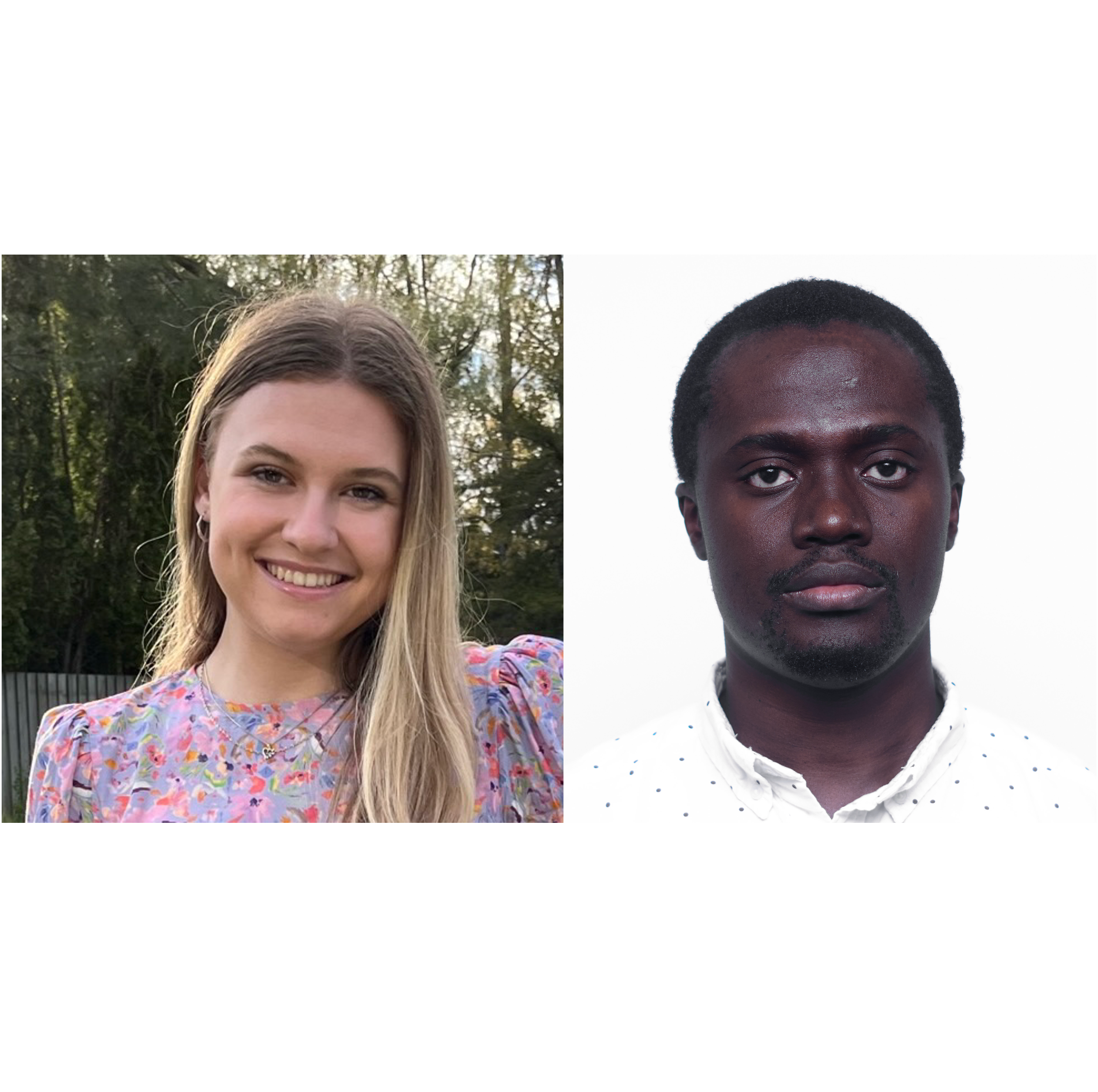
January Journal Club
Speaker: Emma Pineau (Left)
Paper: Age differences in spontaneous cerebrovascular reactivity at rest
Learning Objectives:
We will learn about spontaneous cerebrovascular reactivity (sCVR), derived from arterial spin labeling magnetic resonance imaging as a metric to describe vulnerability to vascular dysfunction
We will discuss the paper's findings of alterations in sCVR with age, in the absence of cognitive decline
We will consider the implications of sCVR as a non-invasive, rapidly acquired metric, that may serve as an early biomarker of susceptibility to vascular dementia and related illnesses
About the Speaker: Emma is a PhD candidate in the Faculty of Medical Biophysics at the University of Toronto, supervised by Dr. Bojana Stefanovic and Dr. Maged Goubran. Her graduate research focuses on the substantial inter-individual variability in both the neurophysiological effects and clinical symptomatology of Alzheimer’s disease and related dementias. She aims to leverage this variability, together with advanced magnetic resonance imaging techniques, to develop methods for tailoring therapies to individual patients’ needs.
Speaker: Olayinka Akinrolie, PhD (Right)
Presentation Title: Is There a Link Between Vascular Risk Factors and Brain Changes in Older Adults with Attention-Deficit/Hyperactivity Disorder (ADHD)?
Learning Objectives:
Describe white matter lesions and their relevance in attention-deficit/hyperactivity disorder (ADHD).
Review the prevalence of vascular risk factors, including hypertension and diabetes, among adults with ADHD.
Examine the current evidence linking vascular risk factors to white matter lesions in older adults, with a focus on individuals with ADHD.
About the Speaker: Olayinka Akinrolie, PhD, is a Postdoctoral Fellow in the Lifespan Brain Health Lab in the Department of Psychology at the University of Calgary, under the supervision of Dr. Brandy Callahan. His research focuses on physical activity, health promotion, and ADHD in older adults. His current work examines the interactive effects of physical activity and vascular risk factors on brain changes among adults with ADHD.
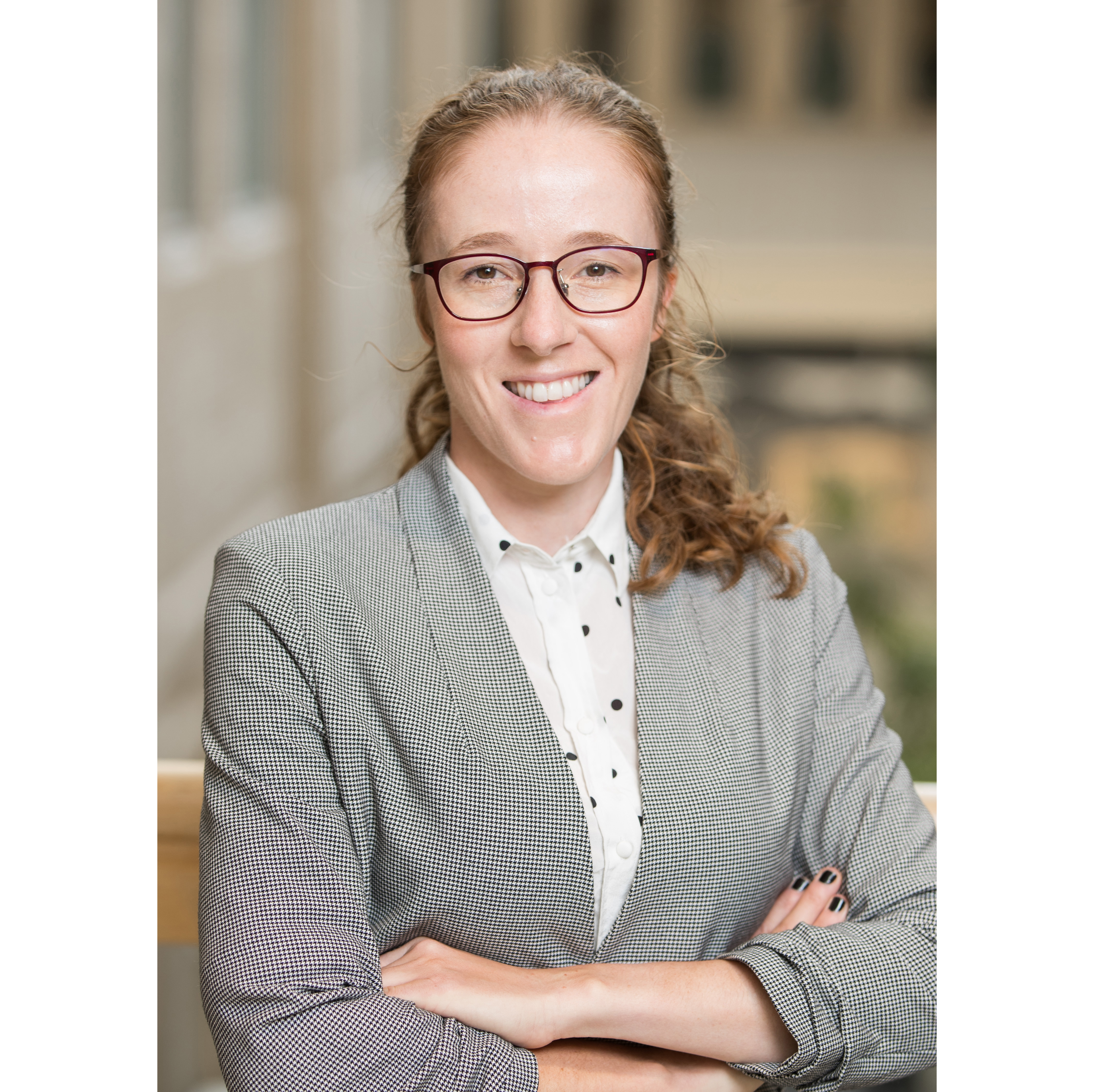
Endothelial-driven cerebrovascular dysfunction in Alzheimer’s disease.
Speaker Name: Dr. Milène Vandal
About the Seminar: Cerebrovascular defects involving brain endothelial cells (BECs) are linked to cognitive dysfunction; however, the causes of these deficits remain elusive. In this study, we show that lower vascular CD2AP is associated with worse cognitive function in both mice and a human cohort of volunteers with Alzheimer’s disease. Using two-photon microscopy in awake animals, we found that loss of BEC CD2AP leads to reduced blood flow at rest and during neurovascular coupling, and it worsens the vascular response to amyloid-beta, particularly in male mice. Antagonizing the endothelin-1 receptor ETA improved blood flow in male mice lacking BEC CD2AP but had no effect in female mice. Finally, we identified a new binding partner for CD2AP, apolipoprotein E receptor 2 (ApoER2), a receptor for the vasodilatory glycoprotein reelin. CD2AP modulates ApoER2 levels and signaling in endothelial cells, and reelin increases blood flow in mice with reduced BEC CD2AP. In summary, our work defines a previously unknown endothelial signaling pathway that connects vascular dysfunction to cognitive decline in Alzheimer’s disease.
About the speaker: Milène is a postdoctoral associate in the laboratory of Dr. Minh Dang Nguyen and Dr. Grant Gordon at the University of Calgary. Milène’s research focuses on how the brain endothelium contributes to vascular and cognitive function. To study this, post-mortem human brain samples, transgenic mouse lines, and two-photon microscopy in awake animals are all used. These projects are supported by CIHR and AIHS postdoctoral fellowships, a BBRF Young Investigator Grant, and, more recently, an Alzheimer’s Association Research Fellowship.
Info Session: International Society to Advance Alzheimer’s Research and Treatment (ISTAART)
During this 45-minute session, Daniella Vellone and Jasper Crockford, 2025 Canadian ISTAART Ambassadors (and fellow VASTees), will introduce ISTAART and discuss how it can support your professional development, including:
Networking and mentorship through 30+ Professional Interest Areas (PIAs)
Access to Alzheimer’s Association conferences, journals, and grant opportunities
Free and discounted membership options for students and early-career researchers
Global collaboration and leadership opportunities through the Ambassador program
Resources for those studying or supporting people living with dementia
This session is open to all trainees, researchers, and clinicians. There will be time for a Q&A at the end, so you can ask any questions about membership, benefits, or getting involved.
ISTAART offers a welcoming and interdisciplinary community to grow your career and connect with peers worldwide.
📍 Register by clicking here. After registering, you will receive a confirmation email containing information about joining the meeting.
🌐 Learn more at alz.org/ISTAART
📣 Follow ISTAART on Twitter and LinkedIn
2026 Amplitude Fellowship Virtual Information Session
Ready to build the future of medicine? Apply to the Amplitude Fellowship!
We are currently recruiting entrepreneurial, health-focused PhDs, Postdocs, and MDs looking to move beyond academia. This is your chance to turn ambitious “what if” biotech concepts into reality at our summer fellowship.
This is an in-person program running from May 2026-August 2026 out of the Amplitude Ventures office located in downtown Montreal.
For more information, please visit: https://preampbio.com/
THIS IS A VIRTUAL SESSION ON ZOOM. DETAILS BELOW:
https://us02web.zoom.us/j/88381262098?pwd=I36B3uNSOXJqTwmjlw5Pt10imAUQvZ.1
Meeting ID: 883 8126 2098
Passcode: 316817

Large-scale cerebrovascular proteomics and the investigation of neurodegenerative diseases.
Speaker Name: Dr. AmanPreet Badhwar, Associate Professor, FRQS J2 Scholar
Learning Objectives:
Section I: Introduction to mass spectrometry-based proteomics
Untargeted & Targeted approaches
Section II: Large-scale cerebrovascular proteomics
Approaches for cerebrovascular tissue enrichment (Examples: surgical | perfusion-labeling | filter-based)
Section III: Towards data-driven multiomics biotypes (time-permitting)
Data reduction techniques (Examples: clustering | panels | polygenic risk scores)
About the Speaker: Dr. AmanPreet Badhwar is an Associate Professor at the University of Montreal, Faculty of Medicine, Department of Pharmacology and Physiology and the Institute of Biomedical Engineering, as well as a researcher at the Centre de recherche de l'Institut universitaire de gériatrie de Montréal. She co-leads the (a) Canadian Institutes of Health Research funded Vascular Training Platform, which focuses on vascular cognitive impairment research and innovation and (b) Imaging Platform of the Canadian Consortium on Neurodegeneration in Aging. She is also co-lead of our BBB PIA- Extracellular Vesicle Working group.
Dr. Badhwar’s academic path has been to study neurological disease by combining different data types, starting with small-scale genetics and brain imaging early in her career, and progressively moving to “big-data-analytics” in Alzheimer’s disease. Dr. Badhwar directs the Multiomics Investigation of Neurodegenerative Diseases (MIND) Lab that focuses on integrating observations from in-vivo brain imaging and biofluid-based molecular ‘omics’ in the study of age-related dementias, with the goal of discovering new biomarkers and therapeutic targets, and improving methods to speed the drug discovery process. Dr. Badhwar holds several grants and has been awarded multiple prestigious scholarships/awards over the years, including the FRQS-Chercheur-boursiers-Junior2 and the 2022 Organization for Human Brain Mapping Diversity and Inclusion Champion Award. This award recognized her ongoing role in many initiatives that promote diversity, equity and inclusivity (DEI) within and beyond the organization. In general, Dr. Badhwar actively embeds DEI considerations in her research work (e.g., in study design, training/mentoring, collaborations), which she considers to be a key to achieving reproducible research excellence.
November Journal Club
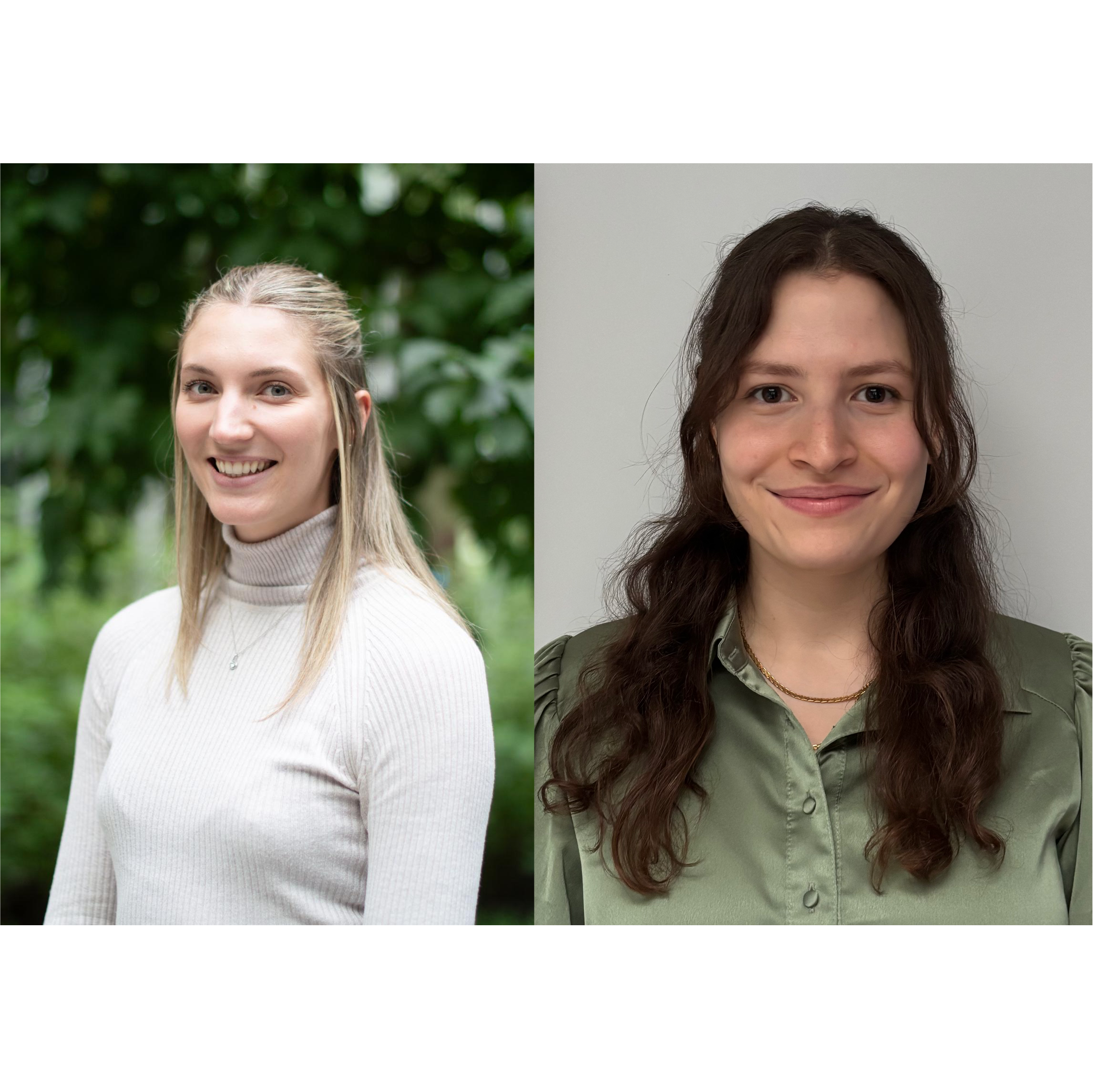
Speaker: Sara Early (left)
Paper: Cross-cohort evaluation of the brain age gap as a biomarker for dementia severity
This study explores how the brain age gap (BAG), the difference between an individual's machine learning–predicted brain age and their chronological age, varies across stages and subtypes of dementia. Using a deep learning model trained on structural MRI, we examined patterns of accelerated brain aging associated with different pathologies. Our findings highlight BAG as a promising, non-invasive biomarker of neurodegenerative severity that could support earlier diagnosis and more personalized dementia care strategies.
About the Speaker: Sara Early is a third-year PhD student in Biomedical Engineering at the University of Calgary, specializing in medical imaging. Under the supervision of Dr. Nils Forkert, her research focuses on developing reliable machine learning models for dementia assessment across diverse clinical stages and subtypes. Originally from Ontario, she moved out west to make the most of the Rocky Mountains while pursuing her graduate studies, often spending her free time hiking or skiing.
Speaker: Elvira Vasquez (right)
About the talk: This talk will cover the basic principles of ultrasound for vasculature imaging. In particular, we will discuss:
Contrast agents such as microbubbles and gas vesicles
Ultrasound localization microscopy
Non-linear sound-sheet microscopy
Superharmonic contrast imaging
Current ultrasound applications in pre-clinical neuroimaging
About the Speaker: Elvira Vazquez is a fourth-year PhD candidate in Medical Biophysics at the University of Toronto. Her research focuses on the development of superharmonic contrast imaging, a novel ultrasound technique to image vasculature, to study stroke under the supervision of Dr. Christine Demore and Dr. Bojana Stefanovic. Elvira completed her B.Sc. in Honours Physics at McGill University.
Speaker: Thomas Oldreive (Rescheduled from Oct 6)
Paper: Utility of cerebrovascular imaging biomarkers to detect cerebral amyloidosis